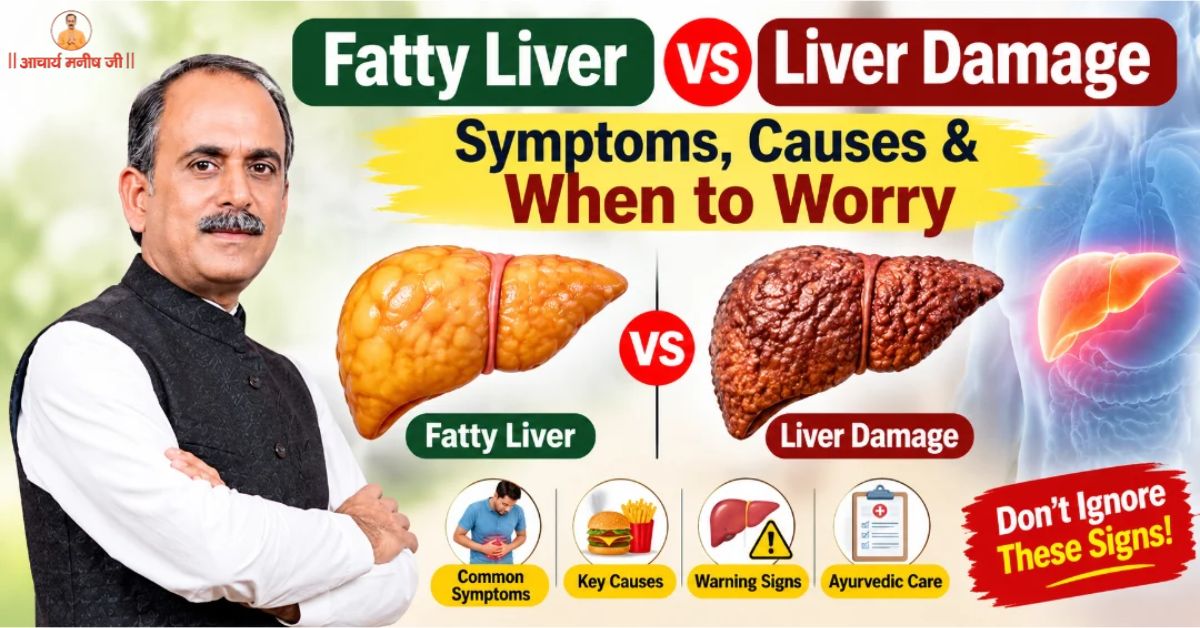

Fatty liver disease is a common condition affecting individuals of today’s generation who are obese and diabetic, with high levels of cholesterol, and have an unhealthy way of life. This disease is the accumulation of excessive fats within the cells of the liver. In the beginning, there may be no symptoms of the disease, but in certain individuals, it can lead to liver damage in the long run.
It is crucial to know the difference between fatty liver disease and liver damage since there may be no harm done to the liver at an early stage of the disease. Some forms of fatty liver involve inflammation and liver cell damage.
This guide explains the difference between fatty liver and liver damage, their symptoms, common causes, the Ayurvedic view and warning signs that should not be ignored.
Fatty Liver vs Liver Damage: Understanding the Difference
Fatty liver and liver damage are connected, but they describe different stages or conditions. Fatty liver means excess fat has accumulated in the liver. Liver damage is a broader term that refers to injury or changes in liver tissue caused by different conditions.
Doctors now commonly use the term ‘MASLD’ (Metabolic Dysfunction-Associated Steatotic Liver Disease) for fatty liver associated with metabolic risk factors. It was previously known as NAFLD. The condition may develop along a spectrum:
- Simple Fatty Liver (Steatosis): Fat builds up in liver cells, but there is little or no inflammation or significant liver injury. Many people have no noticeable symptoms at this stage.
- MASH (Metabolic Dysfunction-Associated Steatohepatitis): Fat accumulation is accompanied by inflammation and liver cell injury.
- Fibrosis: Repeated or long-term liver injury can lead to scar tissue formation. The amount of scarring can vary.
- Cirrhosis: Extensive scarring replaces healthy liver tissue and can affect the liver’s normal functions.
Not everyone with fatty liver develops fibrosis or cirrhosis. Early identification and appropriate management can help reduce the risk of progression.
Fatty Liver Symptoms vs Liver Damage Symptoms
One of the biggest challenges with fatty liver is that it often develops without clear warning signs. Many people discover it during a routine ultrasound or blood test.
Common Fatty Liver Symptoms
In the early stages, fatty liver may not cause any noticeable symptoms. Some people may experience:
- Constant tiredness or low energy.
- General weakness.
- Mild discomfort in the upper right side of the abdomen.
- A feeling of heaviness around the liver area.
These symptoms are not specific to fatty liver and can occur for several other reasons.
Early Signs of Liver Damage
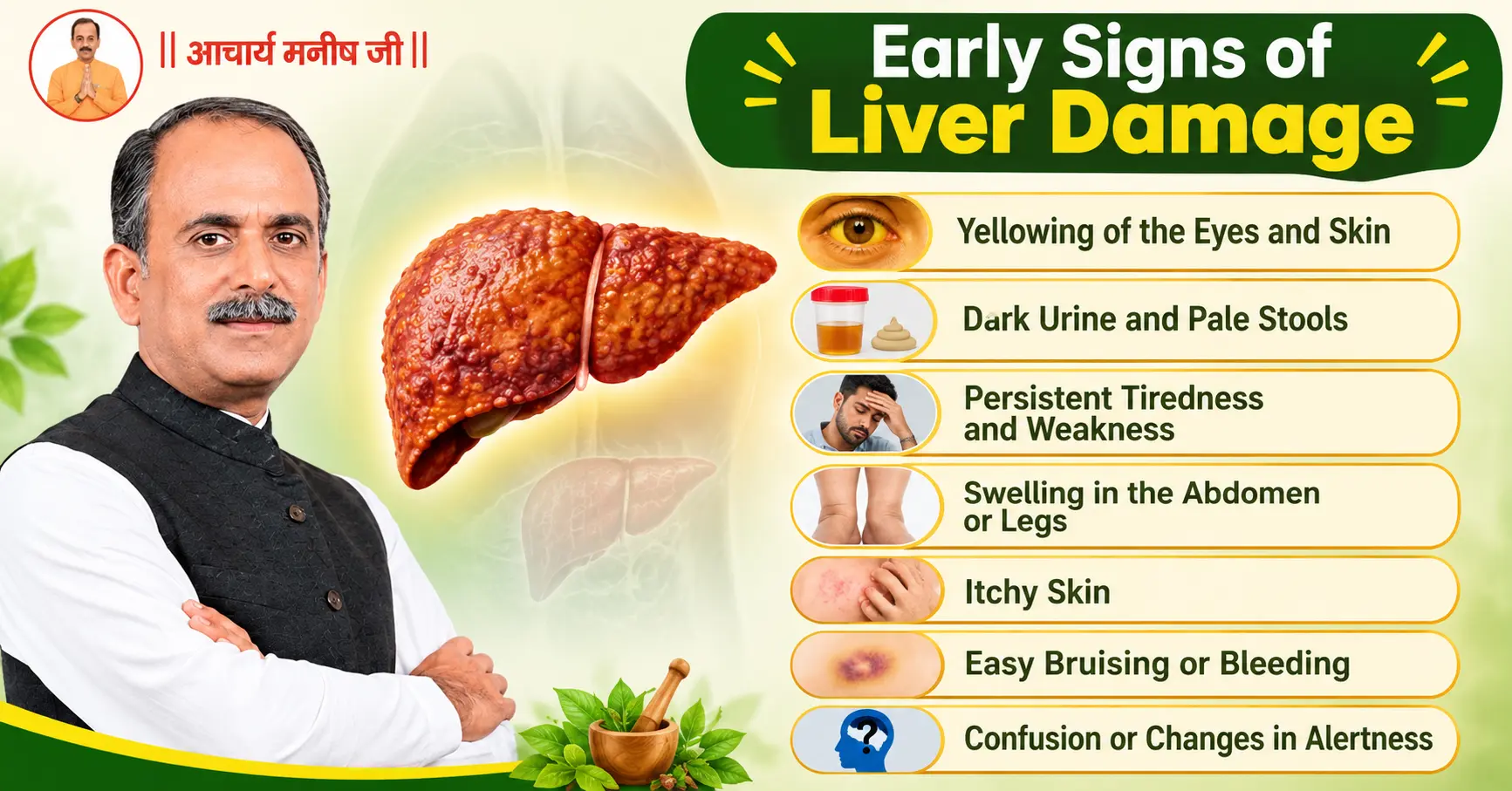
As liver disease progresses, symptoms may become more noticeable. Some possible liver damage symptoms include:
- Yellowing of the Eyes and Skin
Yellowing of the whites of the eyes or skin is known as jaundice. It may occur when bilirubin builds up in the blood because of a liver or bile-related problem.
- Dark Urine and Pale Stools
Urine may become darker than usual, while stools may appear unusually pale. These changes can be associated with problems in how the body processes and removes bilirubin.
- Persistent Tiredness and Weakness
Ongoing fatigue may occur in people with liver disease. It can affect daily activities and may continue even after adequate rest.
- Swelling in the Abdomen or Legs
Fluid may accumulate in the abdomen, causing it to look swollen or feel tight. Swelling may also appear around the ankles and legs.
- Itchy Skin
Some people with liver or bile-related conditions experience persistent itching without an obvious skin rash.
- Easy Bruising or Bleeding
The liver produces several proteins involved in blood clotting. When its function becomes significantly affected, a person may bruise easily or experience unusual bleeding.
- Confusion or Changes in Alertness
Advanced liver disease can sometimes affect brain function. Symptoms may include confusion, unusual sleepiness, difficulty concentrating or changes in behaviour. To know more, book a consultation with Acharya Manish Ji.
Liver Damage Causes: What Increases the Risk?
Several health conditions and lifestyle factors can affect liver health. Some common risk factors include:
- Obesity and Abdominal Fat: Excess body weight, particularly around the waist, is associated with a higher risk of metabolic fatty liver disease.
- Type 2 Diabetes: Insulin resistance and high blood sugar levels are closely linked with fatty liver.
- High Cholesterol and Triglycerides: Abnormal blood lipid levels can increase the risk of fat accumulation in the liver.
- Alcohol Consumption: Regular heavy alcohol use can cause fat buildup, inflammation and long-term liver injury.
- Viral Hepatitis: Hepatitis B and C can cause ongoing liver inflammation and damage if not appropriately managed.
- Certain Medicines and Supplements: Some medicines and herbal products can affect liver health, especially when used without proper guidance.
- Sedentary Lifestyle: Limited physical activity and frequent consumption of sugary or highly processed foods can contribute to metabolic risk factors.
How Is Fatty Liver Different from Serious Liver Damage Diagnosed?
Symptoms alone cannot tell whether a person has simple fatty liver, inflammation or advanced scarring. Medical evaluation is important to understand the condition.
Doctors may recommend:
- Liver Function Tests (LFTs): Blood tests that measure liver enzymes and other markers. ALT and AST levels may provide useful information, but normal results do not always rule out advanced liver disease.
- Ultrasound: An imaging test that can help identify fat accumulation in the liver.
- FibroScan or Elastography: Specialised tests that help assess liver stiffness and estimate the extent of scarring.
- Additional Blood Tests: These may help assess liver function, identify other conditions and estimate the risk of fibrosis.
The Ayurvedic View of Fatty Liver and Liver Health
In Ayurveda, the liver is referred to as Yakrit and plays vital roles in metabolism. The Ayurvedic approach to liver problems involves the use of factors like Agni (metabolism and digestion), Ama (metabolic waste product that is undigested), Kapha, Pitta and Meda Dhatu (fat tissue).
In this case, improper eating patterns, overeating of oily or heavy foods, sedentary lifestyle and disturbed routines can cause metabolic dysfunction.
Certain interpretations of fatty liver in Ayurveda may be understood through the concepts linked with Yakrit Roga and Meda disorders. But these categories do not necessarily correspond to modern-day diagnoses like MASLD, MASH and cirrhosis. Ayurvedic treatments involve proper food habits, regular routines and personal assessment as opposed to easy solutions and cleansing procedures.
Acharya Manish Ji’s Ayurvedic Approach to Liver Wellness
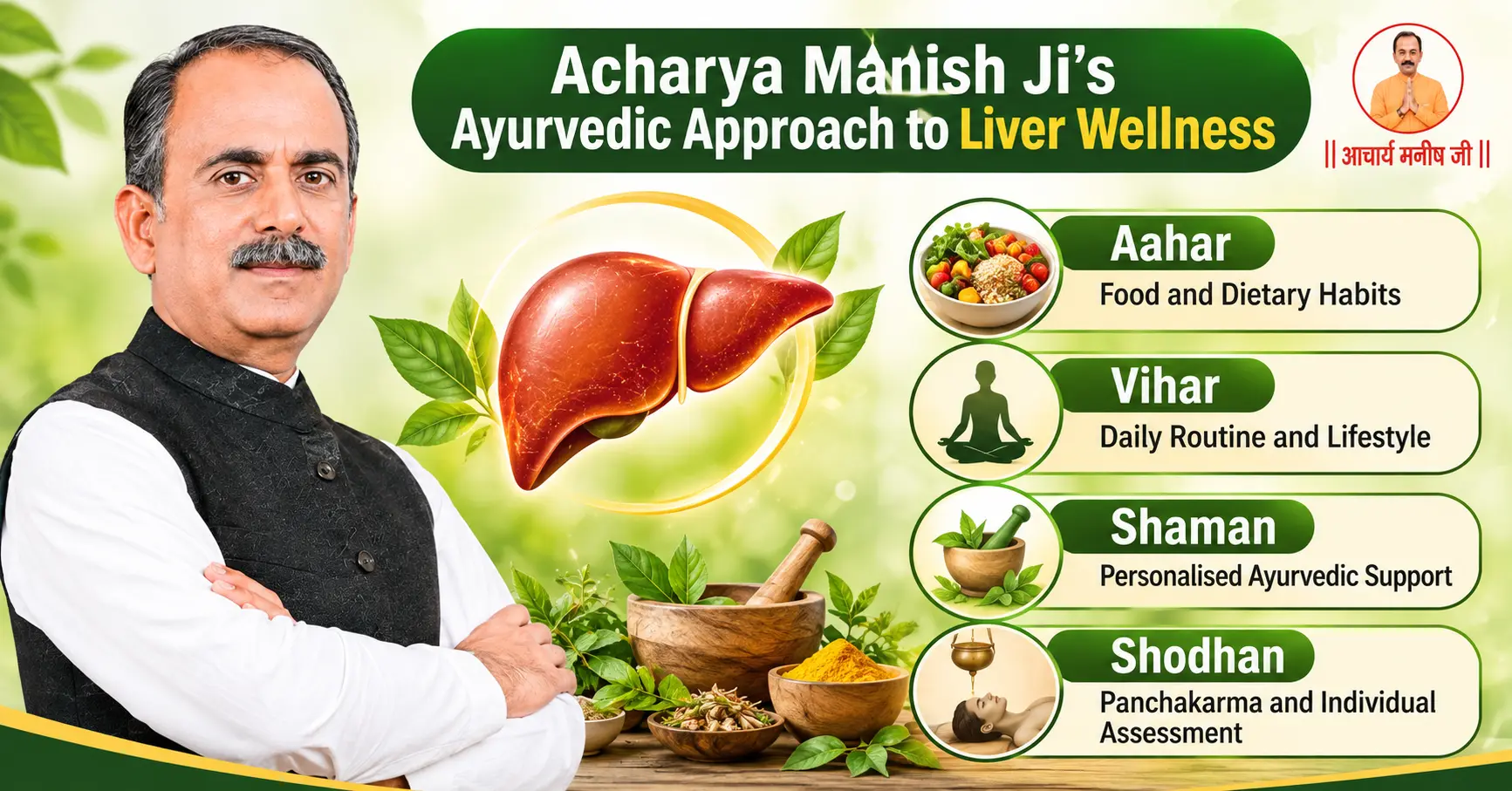
As per Ayurvedic approach by Acharya Manish Ji to liver wellness focuses on four important pillars: Aahar, Vihar, Shaman and Shodhan. The suitability of each approach depends on the person’s health assessment and medical condition.
Aahar: Food and Dietary Habits
Diet is one of the components of metabolism. A nutritious diet may consist of fresh vegetables, fruits, whole grains, pulses, and appropriate protein. Minimising the consumption of sugar-laden drinks and frequently fried food items will help to ensure better nutrition.
In case of liver disease, some special diets should be followed. Alcohol consumption should be avoided by individuals with liver disease, unless advised by the doctor.
Vihar: Daily Routine and Lifestyle
A regular daily routine can support overall health. This may include:
- Maintaining consistent meal timings.
- Getting adequate sleep.
- Walking or engaging in suitable physical activity.
- Managing stress through yoga, meditation or breathing practices.
- Avoiding prolonged sitting and maintaining a healthy body weight.
Shaman: Personalised Ayurvedic Support
Traditional ayurvedic practices make use of the herbs like Bhumi Amla, Kutki, Kalmegh, Punarnava, and Guduchi for various formulations related to liver health. However, their appropriateness depends on the individual as well as on the specific formulation.
All herbal preparations may not be safe for patients suffering from liver disease. Certain supplements have the potential to affect liver function as well as interact with certain medications being taken by the patient. It is only advisable to consider herbs and formulations after consulting an expert.
Shodhan: Panchakarma and Individual Assessment
Shodhan refers to traditional Ayurvedic purification procedures, including Panchakarma. Procedures such as Virechana may be discussed in an Ayurvedic care plan after an individual assessment.
However, Panchakarma is not a proven replacement for medical evaluation or established care for fatty liver, hepatitis, fibrosis or cirrhosis. People with significant liver disease should not undergo intensive cleansing procedures without clearance from their treating specialist.
Understand your liver health and explore suitable Ayurvedic wellness guidance with the experts.
When to Worry About Fatty Liver?
Fatty liver may remain silent for years, which is why regular medical assessment is important for people with diabetes, obesity, high cholesterol or other metabolic risk factors.
Know when to worry about fatty liver and seek medical advice if you notice:
- Yellowing of the eyes or skin.
- Persistent or worsening abdominal swelling.
- Swelling in the legs or ankles.
- Unusual bleeding or easy bruising.
- Persistent nausea or loss of appetite.
- Unexplained weight loss or severe weakness.
Seek emergency medical attention if you vomit blood, pass black or tar-like stools, or develop sudden confusion or unusual drowsiness. These can be signs of serious liver complications.
If you notice liver kharab hone ke lakshan, do not rely on home remedies or wait for symptoms to become severe. Consult a qualified medical professional for proper assessment.
Read more about: Fatty Liver Ke Lakshan Karan Aur Ilaj
Conclusion
Fatty liver and liver damage are related, but they are not synonymous. It is crucial to know about fatty liver vs liver damage because although simple fatty liver does not include liver damage, some cases can further advance into inflammation, fibrosis and cirrhosis. The key point here is to know about this disorder through proper medical diagnosis instead of depending on symptoms alone. The Ayurvedic approach, according to Acharya Manish Ji stresses proper eating habits and routine and personalised treatment of Aahar, Vihar, Shaman and Shodhan. Get one step ahead in knowing your liver better.
FAQs
1. Explain the difference between the fatty liver and liver damage.
Fatty liver is an accumulation of excessive amounts of fat in the liver cells. Liver damage is a general term that includes inflammation, fibrosis and cirrhosis. Not all patients who suffer from fatty liver will have liver damage.
2. What are the early symptoms of liver damage?
The early symptoms of liver damage can be hard to recognise, but some people feel fatigue and pain in the upper right part of their abdomen. The other symptoms can include yellow colour of the eyes, dark urine, swelling and bruising.
3. Does fatty liver lead to cirrhosis?
Some cases of fatty liver disease can go on to become inflamed, fibrosed, and finally become cirrhosis. But this is not true for all cases of fatty liver.
4. When do I need to get worried about my fatty liver?
If you have symptoms, abnormal liver function tests, or risk factors like diabetes or obesity, then it is time to see a doctor. Jaundice, abdominal distension, vomiting blood, black tarry stools, or confusion needs urgent medical care.
5. Liver Kharab Hone Ke Lakshan?
Some of the most common liver disease signs could be yellowing of eyes and skin, dark-coloured urine, pale stools, tiredness, abdominal distension, itching skin and easy bruising.