What is Shaman?
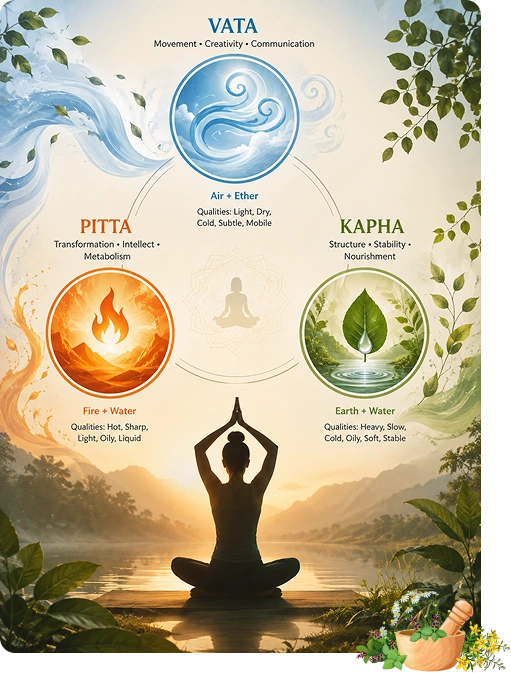
Shaman means pacification or relief. In Ayurveda, Shaman Chikitsa focuses on calming aggravated doshas and bringing them towards their normal state.
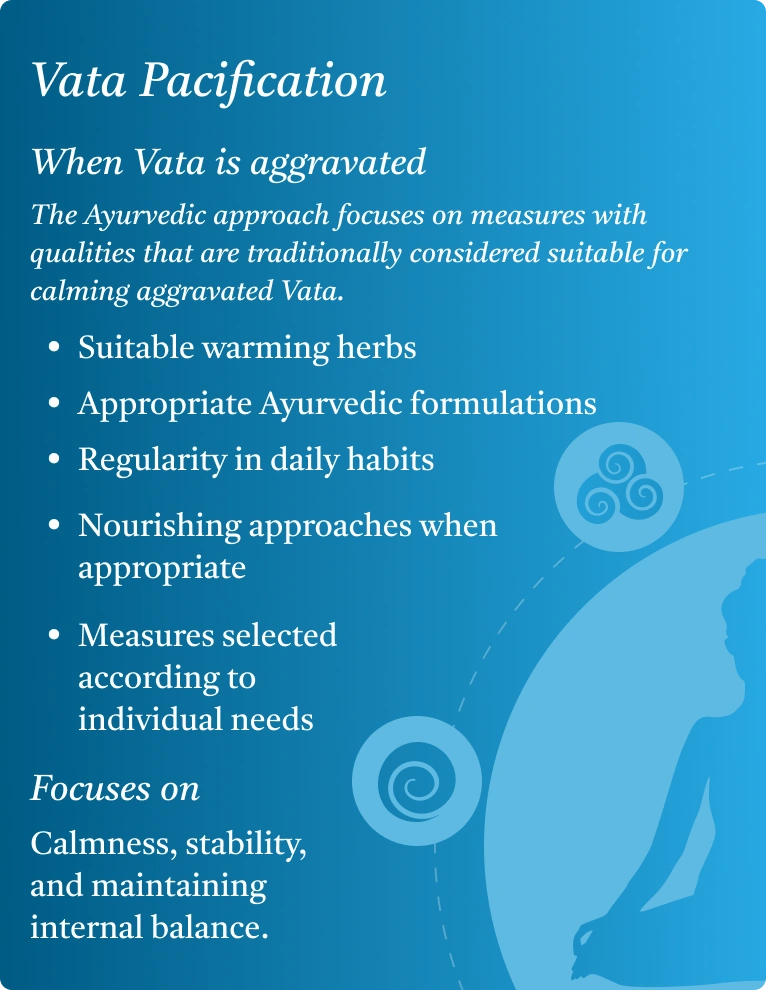
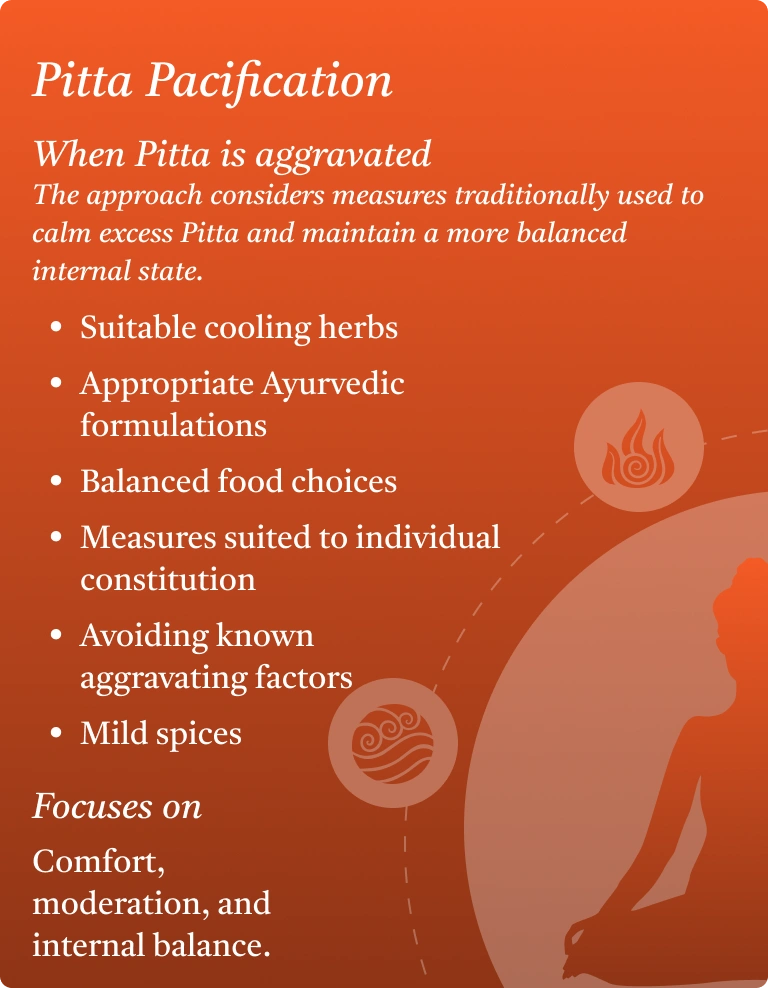
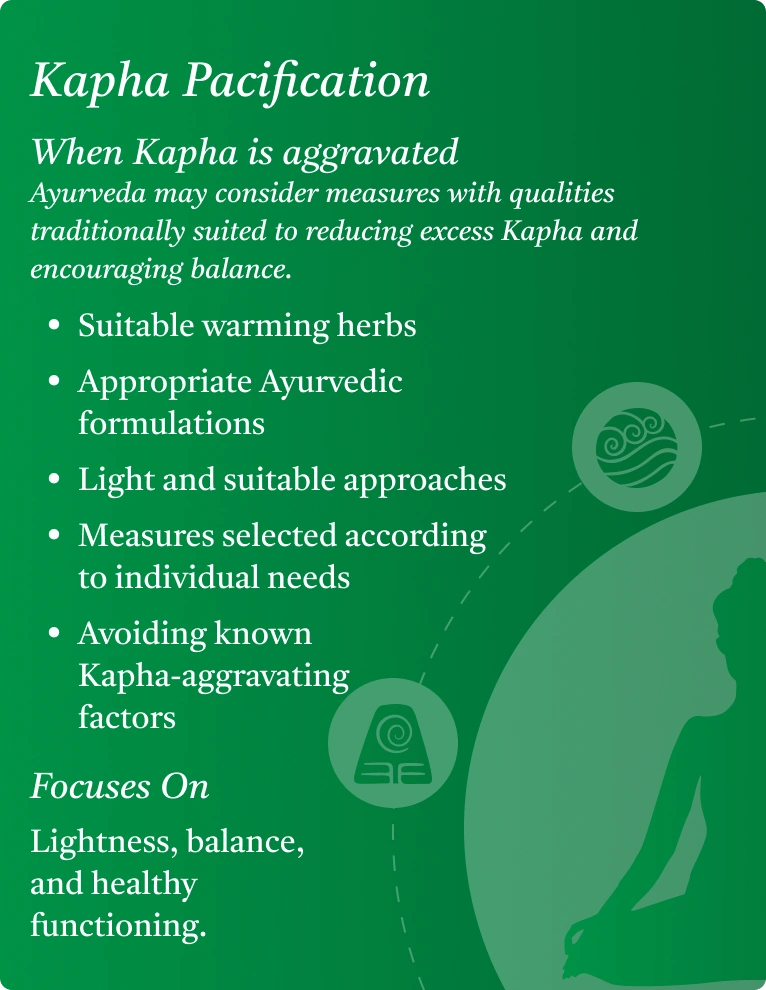
Ayurveda recognises Vata, Pitta, and Kapha as three doshas that help govern different functions of the body. When their natural balance is disturbed, Ayurveda looks at the causes and chooses an appropriate approach to restore equilibrium.
Shaman may include suitable herbs, Ayurvedic formulations, and specific measures selected according to the individual's needs. It is not the same approach for everyone. The person's physiology, strength, digestion, dosha involvement, and overall condition are considered before choosing the appropriate path.
Why is Shaman Important in Ayurveda?

Pacifies Aggravated Doshas
Shaman focuses on calming doshas that have moved away from their natural state and encouraging internal balance.

Works According to Individual Needs
Ayurveda considers the person's body type (prakriti), dosha involvement, digestion, strength, and other individual factors.

Supports Digestive Balance
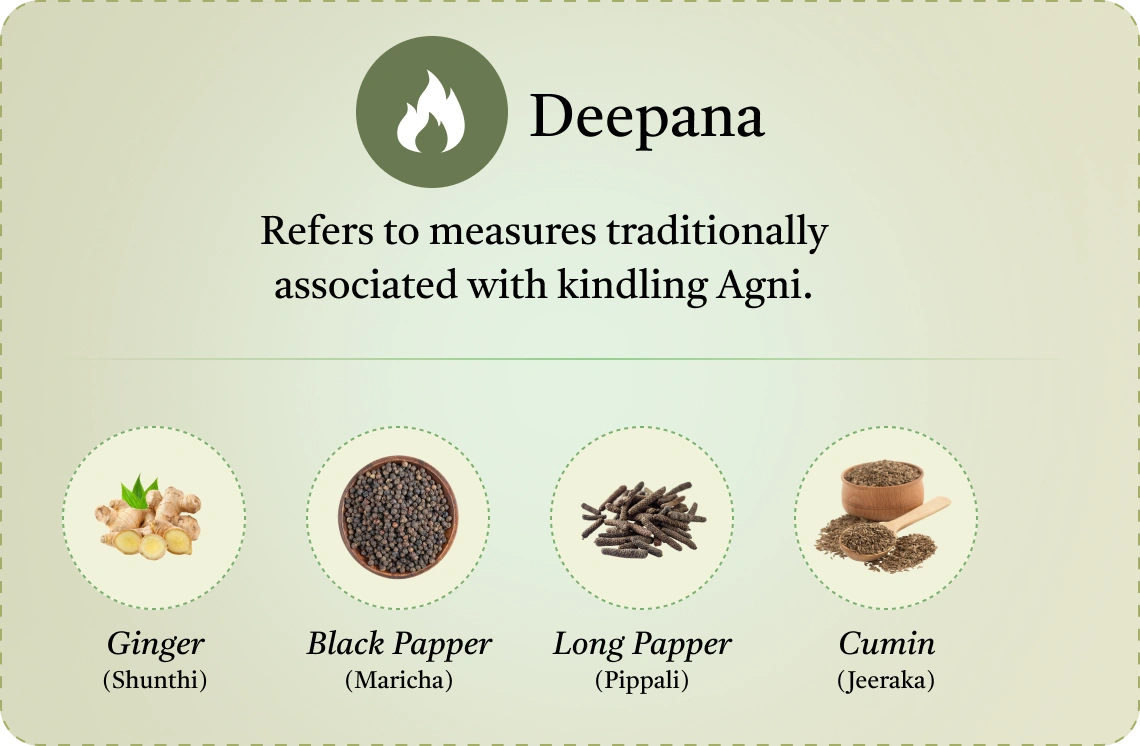
Certain Shaman approaches include Deepana and Pachana measures that are traditionally used to support healthy Agni and digestion.

Encourages Internal Balance
By addressing the factors behind dosha aggravation, Shaman aims to help the body move towards a more balanced state.
Understanding the Shaman Approach
Ayurveda begins with understanding the individual instead of simply following one predefined formula. Shaman considers which dosha is aggravated, what may have contributed to the imbalance, and what the person's body needs at that stage. Based on this understanding, appropriate Ayurvedic measures may be selected to pacify the aggravated dosha and encourage a return towards balance.

What May Be Included in Shaman Chikitsa?
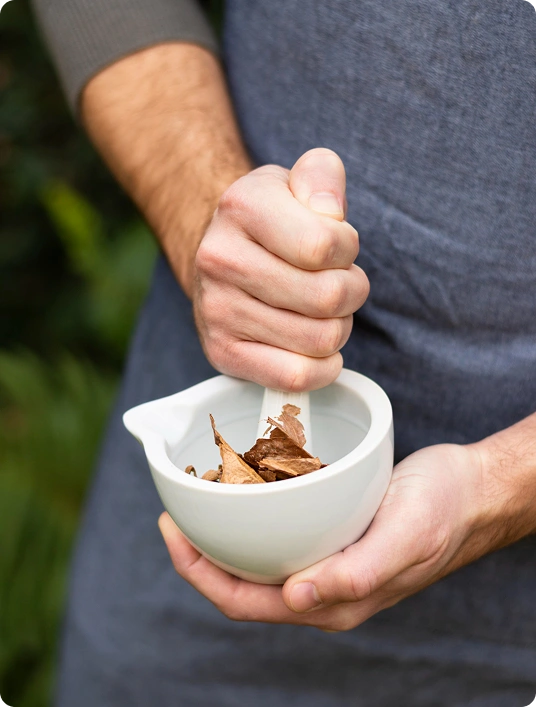
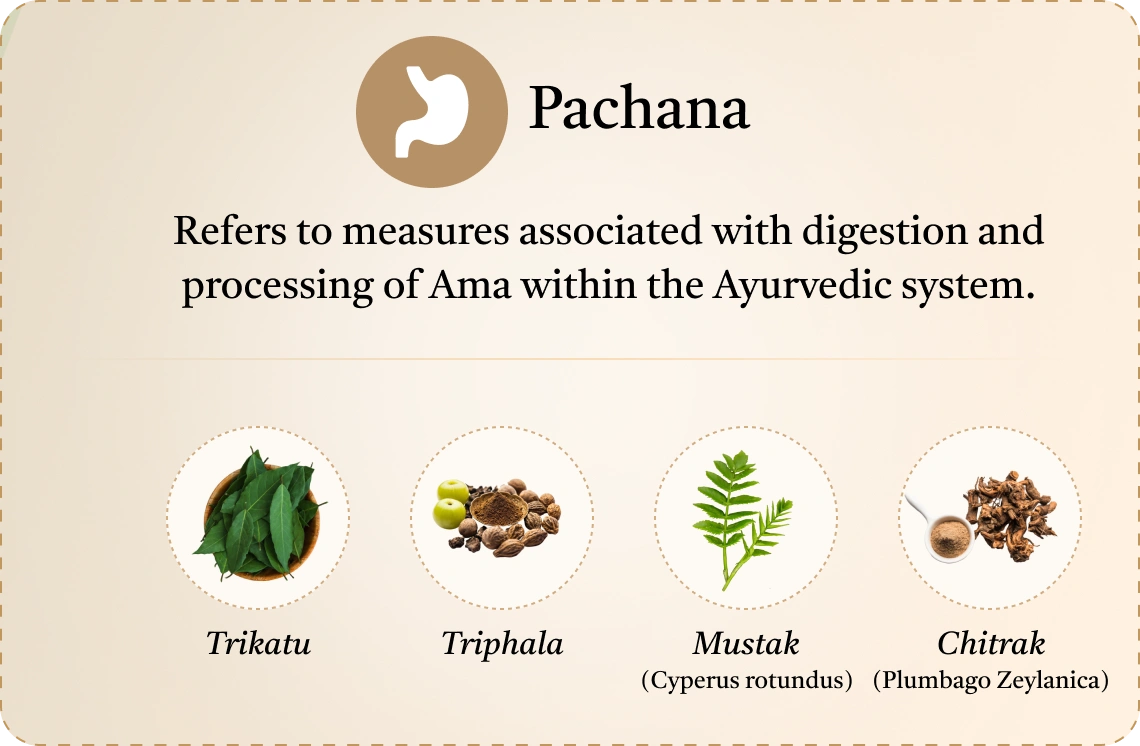
Shaman is not restricted to a single herb or formulation. Ayurveda has different measures that may be selected according to the dosha and individual condition. Deepana refers to measures traditionally associated with kindling Agni, while Pachana refers to measures associated with digestion and processing of Ama within the Ayurvedic system. Suitable herbs and Ayurvedic formulations may also be considered as part of Shaman Chikitsa.
The exact approach is personalised rather than being the same for every person.
Benefits of Ayurvedic Shaman

Dosha Balance
Helps pacify aggravated Vata, Pitta, or Kapha according to the Ayurvedic approach.

Digestive Support
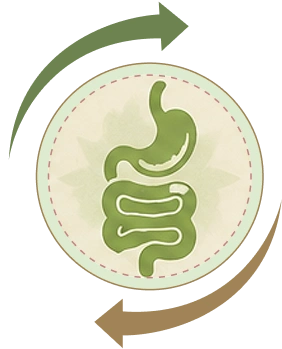
Suitable Shaman measures may be selected with Agni and digestive function in mind.

Personalised Approach
Ayurvedic recommendations are chosen according to individual constitution and the nature of the imbalance.

Gentle Pacification
Shaman focuses on pacifying aggravated doshas rather than using a cleansing procedure.

Supports Internal Balance
The approach works towards restoring equilibrium within the body's Ayurvedic framework.

Individualised Care
The choice of herbs, formulations, and other measures can vary from person to person.
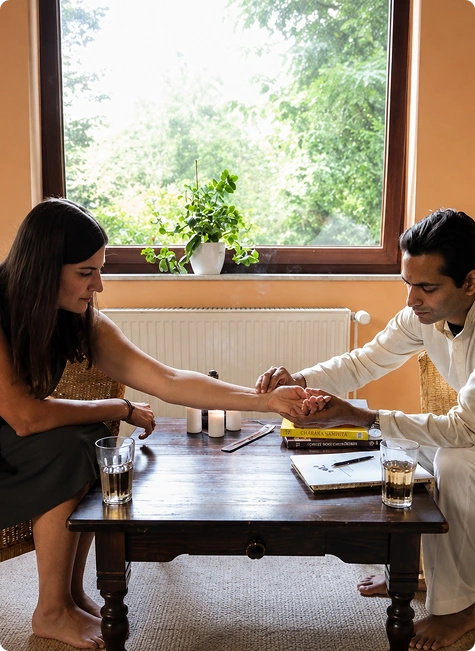
Shaman According to Your Body
One Approach Does Not Fit EveryoneAyurveda recognises that every individual has a unique physiology and a different pattern of dosha balance. The same Shaman approach may therefore not be suitable for everyone.
An Ayurvedic expert may consider Prakriti, Vikriti, Agni, dosha involvement, strength, age, season, and other individual factors before deciding what is appropriate. This personalised understanding helps ensure that Shaman is selected according to the person's needs rather than following a one-size-fits-all approach.
FAQ's
What is Shaman in Ayurveda?
Shaman is an Ayurvedic approach focused on pacifying aggravated doshas and bringing them towards their natural balance through suitable measures.
What is Shaman Chikitsa used for?
Shaman Chikitsa is used in Ayurveda as an easing approach for managing aggravated doshas according to an individual's constitution and condition.
What is the difference between Shaman and Shodhan?
Shaman focuses on pacifying aggravated doshas, while Shodhan refers to Ayurvedic purification approaches intended to eliminate vitiated doshas.
What are Deepana and Pachana in Shaman?
Deepana refers to measures associated with kindling Agni, while Pachana relates to digestion and processing Ama within the Ayurvedic framework.
Is Shaman the same for everyone?
No. Ayurvedic Shaman is selected according to factors such as constitution, dosha involvement, digestion, strength, and individual needs.
Bring Your Body Back Towards Balance
Ayurveda believes that balance begins with understanding what is happening within the body. Shaman Chikitsa follows this principle by focusing on aggravated doshas and selecting suitable Ayurvedic measures according to individual needs. Discover a personalised approach that works towards restoring your body's natural balance.
Book Your Ayurvedic Shaman ConsultationInspired by the timeless wisdom of Ayurveda. Guided by Acharya Manish ji.