

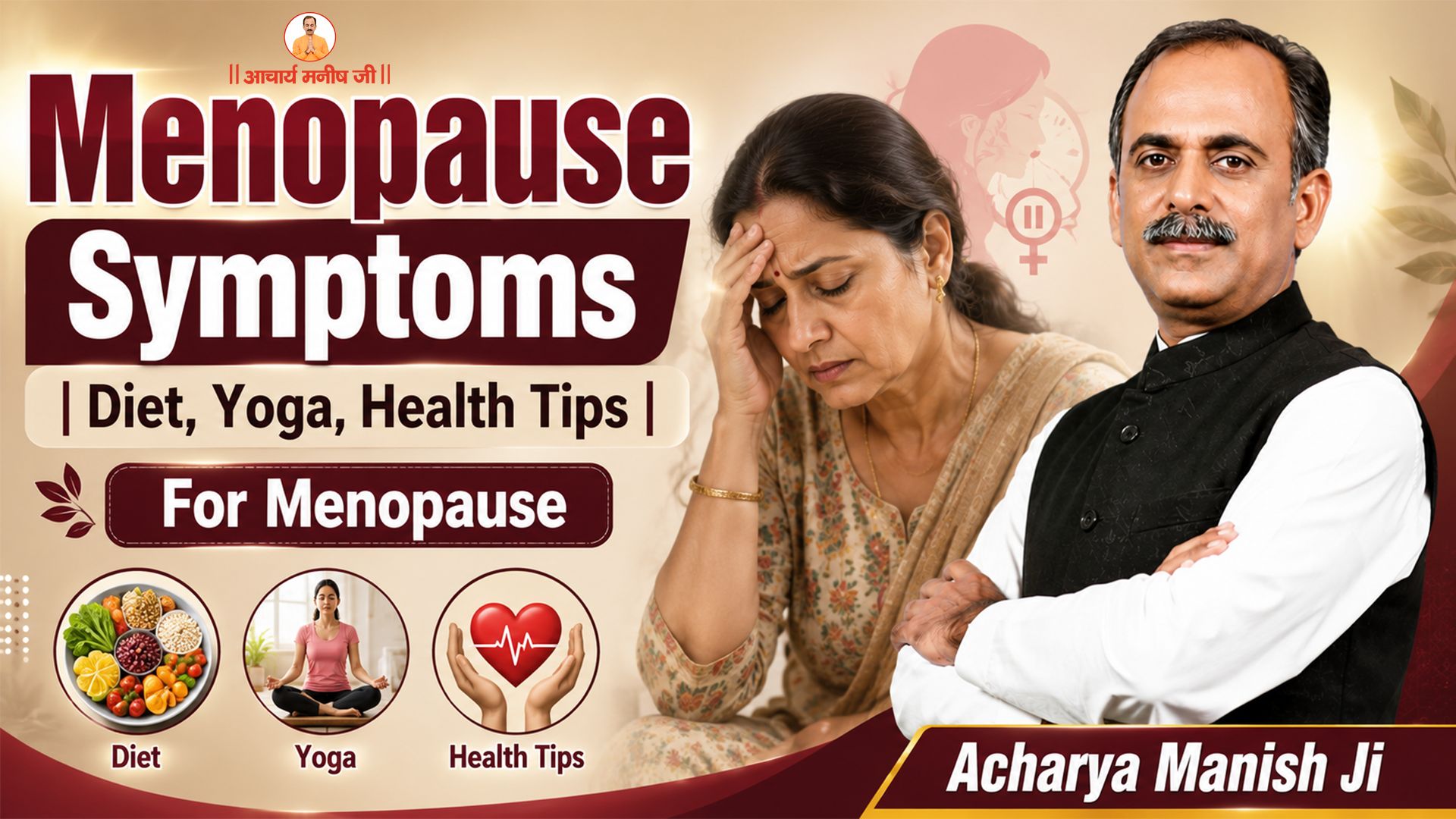
Menopause is one event in a woman’s life that changes almost everything, physically as well as emotionally. Periods stop, hormone levels shift, and along with this a woman may begin noticing several menopause symptoms that were never part of her life before. Mood swings, hot flashes, night sweats, and vaginal dryness are only a few of the changes that show up during this phase, and together they affect the body in a way that is often deeper than people realise.
Every woman around us, a mother, a sister, or a grandmother, has passed through this stage at some point, yet very few of them are told what is actually happening inside their body. As often highlighted by Acharya Manish Ji, this article explains what happens during menopause, why it happens, and what simple steps a woman can take to move through this phase with greater strength and calm.
What Are Menopause Symptoms?
Menopause is basically the natural stopping of periods, and it marks a stage where hormones like estrogen and progesterone in the body drop noticeably. Because of this hormonal drop, a woman’s emotional health can also get affected, and along with mood swings, several menopause symptoms start appearing together. Hot flashes, disturbed sleep at night, night sweats, and vaginal dryness are some of the most commonly reported ones. In many women, these signs come together, while in others only one or two are noticeable at first, and the intensity can also vary from person to person.
Signs of Menopause
The signs of menopause do not appear suddenly, they build up gradually as hormone levels keep changing over months. Some common signs that women report include:
- Irregular periods before they stop completely
- Sudden hot flashes and night sweats
- Mood swings and irritability
- Trouble sleeping through the night
- Vaginal dryness and discomfort
- Gradual weakening of bones
- Slow reduction in muscle mass
Many of these symptoms are dismissed as normal ageing, but they deserve proper attention since the body is going through a real hormonal shift underneath.
Understanding the Causes of Menopause
The main menopause causes lie in the natural decline of reproductive hormones as a woman crosses into her late forties or early fifties. As estrogen and progesterone levels fall, the body’s internal balance changes, and this directly affects emotional wellbeing, bone strength and metabolism.
Years of physical, mental and emotional load, carrying a family through pregnancy, raising children, managing a household, also play their part in how strongly a woman experiences this transition.
Menopause Stages Every Woman Should Know
Understanding the menopause stages can make it easier to recognise and manage the changes ahead.
- Perimenopause: the transition phase before periods stop completely, where hormone levels begin to fluctuate.
- Menopause: the point when periods have stopped for the twelve continuous months.
- Postmenopause: the stage after menopause, when the hormone levels remain low and looking after your health becomes important.
The menopause stages mark different phases of a woman’s hormonal transition, each bringing its own physical and emotional changes that require understanding and care.
What Are the Common Health Risks After Fifty?
Once a woman crosses this stage, some health risks tend to increase if proper care is not taken. Weakening bones, memory related issues, disturbed sleep and general fatigue become more common, and conditions such as osteoporosis, memory decline and insomnia are seen more frequently in women past this age.
This is exactly why regular physical activity and attention to nutrition become important rather than optional.
How Yoga and Exercise Can Help During Menopause
As often emphasised by Acharya Manish Ji, regular movement helps in managing several menopause symptoms naturally, and resistance training along with simple yoga can be done even at home without any special equipment.
- Standing Forward Fold Pose: even a partial stretch is fine if the full pose feels difficult.
- Garland Pose: can be practised in any comfortable version.
- Butterfly Pose: move only as far as the body allows without forcing it.
- Legs Up the Wall Pose: a relaxing pose that also helps with disturbed sleep.
A dumbbell, a simple yoga mat, or even a short walk daily can also make a noticeable difference over a few months.
The Role of Diet and Ayurveda in Menopause Management
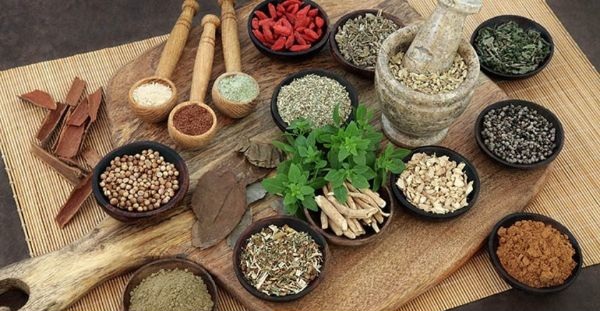
Diet plays an equally important role alongside movement. Including more green vegetables, fresh fruits, salads and natural herbs in daily meals supports the body through this hormonal shift. Along with correct diet, many women also turn towards Ayurvedic menopause treatment, since herbs mentioned in old Ayurvedic texts are believed to support this transition in a gentle way. Some of the herbs often used include:
- Ashwagandha
- Ashoka
- Shilajit
- Lodhra
- Gokhru
- Flax seed
- Shatavari
- Jyotishmati
Alongside diet and herbs, emotional support from family matters just as much. A little more patience, a kind word, and even a simple hug can work as a quiet therapy of their own during this stage of life.
Conclusion
Menopause brings real changes to a woman’s body and mind, and recognising the menopause symptoms early allows a woman to prepare for this phase with more confidence instead of confusion. With the right diet, gentle yoga, emotional support and guidance rooted in Ayurveda, as shared by Acharya Manish ji, this stage of life can be managed with far more ease than most women expect. Contact us for more details at:

FAQs
Q1. At what age does menopause usually occur?
Ans. Most women experience menopause between the ages of 45 and 55, though it can happen earlier or later in some cases.
Q2. How long do menopause symptoms last?
Ans. The duration varies from woman to woman. Some women experience symptoms for a few years, while others may notice them for a longer period.
Q3. What are the early signs of menopause?
Ans. Irregular periods, changes in mood, hot flashes, sleep disturbances, and changes in the energy levels can be the early signs of menopause.
Q4. What foods can support women during menopause?
Ans. A balanced diet that includes green vegetables, fruits, whole foods, and adequate hydration can support overall health during menopause.
Q5. Why is emotional support important during menopause?
Ans. Emotional support from the family can help women cope better with the menopause.
