

Centuries ago, when human life moved in perfect rhythm with the rising and setting of the sun. People woke to the first golden light of dawn, ate fresh food grown directly from the soil and rested their minds as dusk settled over the earth. Diseases were rare, digestion was naturally strong and individuals lived long, vibrant lives simply by honouring the laws of the natural world.
As time moved forward, our daily world shifted dramatically. We built cities, invented late-night screens, and created heavily processed foods. Yet, while our technology advanced, human biology remained entirely unchanged. Today, our inner systems are out of balance, showing up as chronic fatigue, stubborn digestion issues and persistent stress.
This realisation is where the ancient wisdom of ancient Ayurveda healing quietly steps in. Ayurveda is an ancient bridge to nature. It shows us that real natural wellness is not made in a lab but grown through simple daily habits that help restore your body’s natural ability to repair, balance and heal itself from the inside.
What Is Ayurveda Healing?
Ayurveda is known as the science of life, it is an old system of natural healing from India. It is a gentle, natural approach to healthcare that looks at your mind, body and spirit as one connected system. This 5,000 year old system teaches you how to keep your body balanced so disease never takes root.
Unlike modern approaches that treat everyone with the same pill, Ayurveda recognises that every human being is unique. What nourishes one person might make another person feel sluggish. Real health is not the absence of pain. It’s a lively state where your digestion is healthy, your mind is clear and your body feels light.
The Principles of Ayurveda Healing
According to ancient wisdom, everything in nature, including the human body, is made of five basic elements: Earth, Water, Fire, Air and Space. These five elements combine to form three primary energies inside our bodies called Dosha.
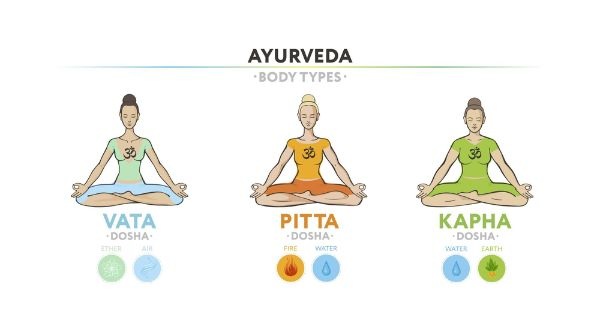
Understanding your primary body type helps you to make better choices for your daily health:
-
Vata (Air & Space)
This energy controls all the movement in your body including breathing, blood flow and nerve signals. Balanced Vata makes you feel creative and energetic. When it’s out of balance, you can experience anxiety, dry skin, gas and trouble sleeping.
-
Pitta (Fire & Water)
It regulates your body temperature, your metabolism and how food is digested. Balanced Pitta means strong digestion and a sharp mind. An excess of Pitta causes heartburn, skin rashes, fever and short tempers.
-
Kapha (Earth & water)
It forms the physical structure of your body. It keeps your joints lubricated and your immune system strong. calmness, stability and physical strength is a result of a balanced kapha. While imbalanced kapha causes unwanted weight gain, excess mucus and feeling of laziness.
Benefits of Ayurvedic healing
Choosing a holistic lifestyle brings deep, lasting changes to your daily well-being. Here are the main benefits of Ayurveda healing:
-
Root-Cause Healing
Instead of temporarily hiding your symptoms, this system looks for the deeper reason behind your discomfort. Whether you suffer from skin problems, low energy or joint pain, it works to fix the underlying digestive or metabolic imbalance.
-
Stronger Gut Health and Digestion
Ayurveda places massive importance on Agni, which is your internal digestive fire. When your digestion is strong, your body easily absorbs good nutrients and flushes out waste. When it is weak, undigested food turns into toxins.
-
Sustainable Energy Without Burnout
Because you align your daily habits with the rising and setting of the sun, your sleep quality improves automatically. You get consistent, natural energy all day long without nervous anxiety or fatigue.
-
Stress Reduction and Mental Peace
Through simple daily routines, soothing herbs and deep breathing, your nervous system settles down. This calms your mind which helps you make clear decisions under daily pressure and supports overall natural wellness.
Major Ayurvedic Treatments & Therapies
When your body accumulates heavy stress or toxins, traditional therapies help reset your internal system.
-
Panchakarma Detox

Over months and years, poor dietary choices and stress create sticky waste in the body. A formal ayurvedic detox routine, known as Panchakarma, uses five specialised therapies to gently draw out stored waste from deep tissues and flush it out of the body safely.
-
Abhyanga
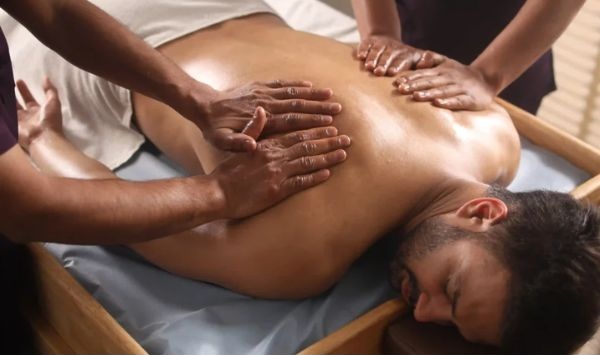
This popular Ayurveda treatment involves massaging warm, herbal oils over the entire body. The warm oil penetrates deep into the skin, lubricates stiff joints, calms anxious nerves, stimulates blood flow and leaves your skin smooth and glowing.
-
Shirodhara

During this deeply relaxing therapy, a continuous, gentle stream of warm herbal oil is poured onto the centre of your forehead. It acts like a warm massage for your brain, making it an incredible therapy for chronic headaches, high stress and insomnia.
-
Functional Herbal Remedies
Ayurveda uses herbs to support your internal organs:
- Ashwagandha: Calms the nervous system and lowers stress hormones.
- Turmeric: Reduces internal swelling and keeps joints moving smoothly.
- Triphala: A simple herb which keeps your morning bowel movements regular and clean.
Daily Wellness Guide: Bringing Ayurveda into Your Life
You do not need to move to a remote retreat to experience Ayurveda healing. You can start right at home with these three simple habits:
-
Rise with the Sun and Drink Warm Water
Wake up early during the peaceful morning hours when the air is fresh. Before drinking tea or checking your phone, sit down and sip a warm glass of water. This gently wakes up your intestines, flushes out overnight waste and prepares your stomach for breakfast.
-
Eat Fresh, Cooked Meals
Try to eat warm, freshly cooked foods rather than processed meals. Make lunch your largest meal of the day because your internal digestive fire is strongest when the sun is highest in the sky. Finish a lighter dinner before sunset so your stomach can rest while you sleep.
-
Practice Grounding Movement
Spend 15 to 20 minutes outside in the early morning sunlight. Simple yoga stretches and pranayama, walking barefoot on green grass connects you to the natural earth, calms your heart rate and boosts your immune system.
Conclusion
True health is created slowly through the simple, loving choices you make every single morning, afternoon and night. By stepping away from quick chemical fixes and embracing the wisdom of Ayurveda healing, you give your body the exact care it needs to protect itself.
Because every individual is born with a unique biological makeup, what works for someone else might not be right for you. If you want to know your Prakriti (body type) to get clear guidance on your personalised Ayurveda lifestyle roadmap, you can consult with the guided experts under Acharya Manish Ji. Receiving a customised Ayurveda treatment plan will give you a clear roadmap to living a long, happy and vibrant life filled with natural energy. Contact us today for more information.

FAQs
Q1. Can Ayurveda be practiced alongside modern medicine?
Ans. Yes, Ayurvedic lifestyle habits, simple dietary changes and gentle routines can safely practiced along your regular medical care.
Q2. How long does it take for Ayurvedic remedies to show results?
Ans. While simple remedies can ease bloating quickly, the deep benefits of Ayurveda healing usually become clearly noticeable after 3 to 6 weeks of steady daily habits.
Q3. How often should someone do an ayurvedic detox?
Ans. A light daily detox happens naturally through healthy digestion, while deeper therapies like Panchakarma are typically done once or twice a year during seasonal changes.
Q4. What is the most important habit for natural wellness?
Ans. The single best habit is sipping a glass of warm water right after waking up and eating your meals at the same time every day.
Q5. What is the main difference between Vata, Pitta and Kapha?
Ans. They represent your body’s functional energies: Vata controls physical movement, Pitta controls heat and digestion, and Kapha controls physical structure and fluids.
