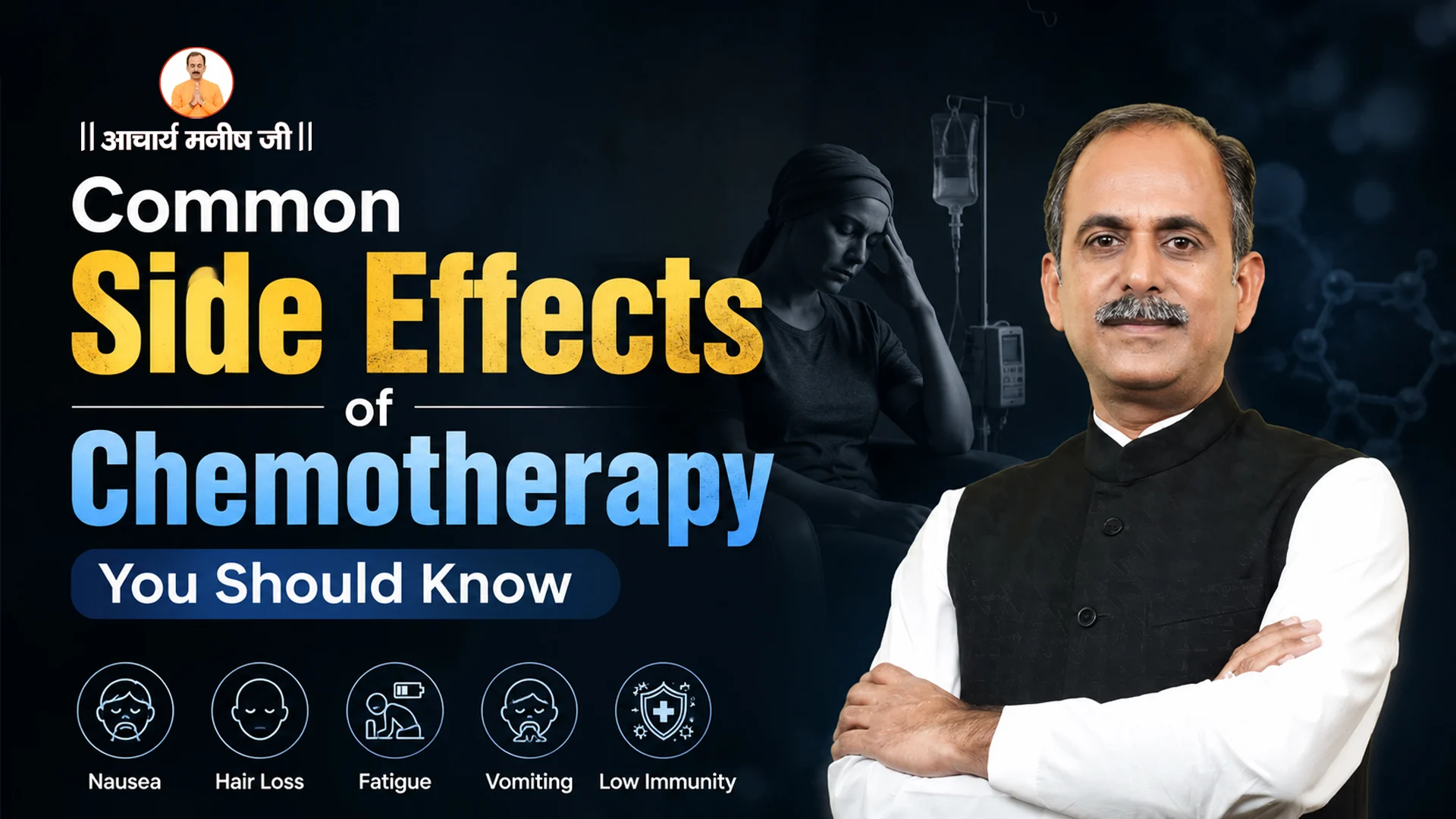
The cancer treatment process can be long and complex, where chemotherapy is just one phase of such a treatment process. Although the primary aim of using chemotherapy is to treat cancer cells in the body, it may also have an effect on some healthy cells in the body and as a result cause chemotherapy side effects.
Some people may experience tiredness, nausea, changes in appetite, mouth problems, hair loss, or changes in blood cell counts. Others may have several symptoms at the same time. A brain tumour patient story shared in a recent health session also showed how difficult cancer care can become when a person experiences severe weakness, swelling, mouth problems, and difficulty eating.
Understanding these side effects can help patients and families recognise changes early and discuss them with their healthcare team.
What Are Chemotherapy Side Effects?
Chemotherapy medicines work against rapidly growing cancer cells. However, some healthy cells also grow quickly, including cells in the mouth, digestive system, hair follicles, and bone marrow. When these healthy cells are affected, different side effects may appear.
The type and intensity of chemotherapy side effects are different for every person. Some people may experience only mild symptoms, while others may face several problems during their treatment. Side effects may also change during different stages of chemotherapy.
This is why patients should keep their healthcare team informed about new or worsening symptoms.
Common Chemotherapy Side Effects You Should Know
1. Tiredness and Weakness

Feeling very tired is one of the common chemotherapy side effects. A person may have less energy than usual and may find simple activities such as walking, bathing, or preparing food difficult.
Good rest is important during this time. However, severe or continuing weakness should be discussed with the healthcare team because fatigue can have different causes during cancer care.
2. Nausea and Vomiting
Chemotherapy medication may cause nausea or vomiting. Nausea and vomiting can occur immediately after undergoing chemotherapy or even at a later point in time.
Medications may be prescribed to assist in controlling nausea. Eating smaller amounts of food and steering clear of smells and foods that induce nausea could help certain individuals.
3. Mouth Sores and Swelling

Mouth issues could affect the ability to swallow and enjoy food and drinks. There are some individuals who have mouth ulcers, dryness, inflammation, or changes in taste.
The case described by the reference tells us about mouth swelling and the inability of the patient to put any food into the mouth when undergoing treatment for cancer. Such symptoms would pose problems with the nutritional intake.
It is important to take good care of the mouth and eat the right kinds of food.
4. Changes in Appetite

Chemotherapy might cause alteration in the taste of food and affect appetite. It might either suppress the patient’s hunger or cause changes in the way one has been eating.
The feeling of nausea, sores in the mouth, and change in taste buds will definitely decrease the desire for food. Small but frequent meals could be considered instead of big meals.
In case of poor appetite and loss of weight, proper nutrition advice should be sought.
5. Hair Loss
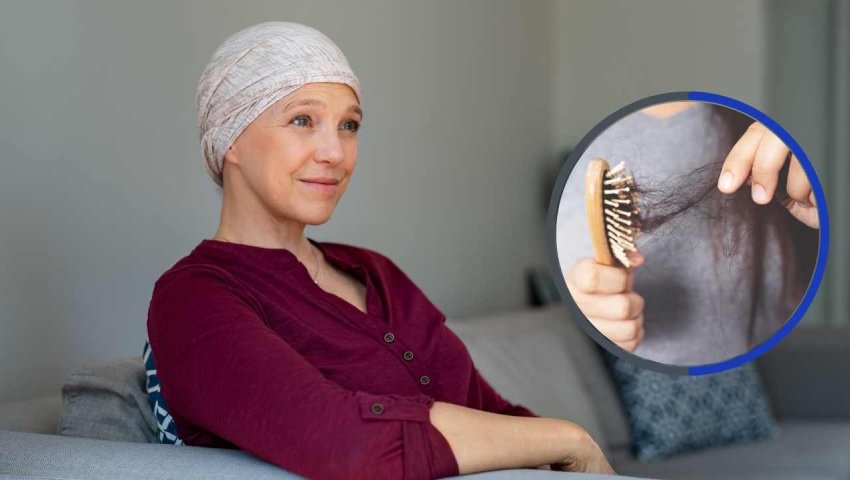
Hair loss is one more common side effect of some chemotherapy drugs. It may involve the head as well as other parts of the body.
However, hair loss occurs with not all the chemotherapy drugs. In most cases, the hair grows back, although it might have changed somewhat.
6. Skin and Nail Changes
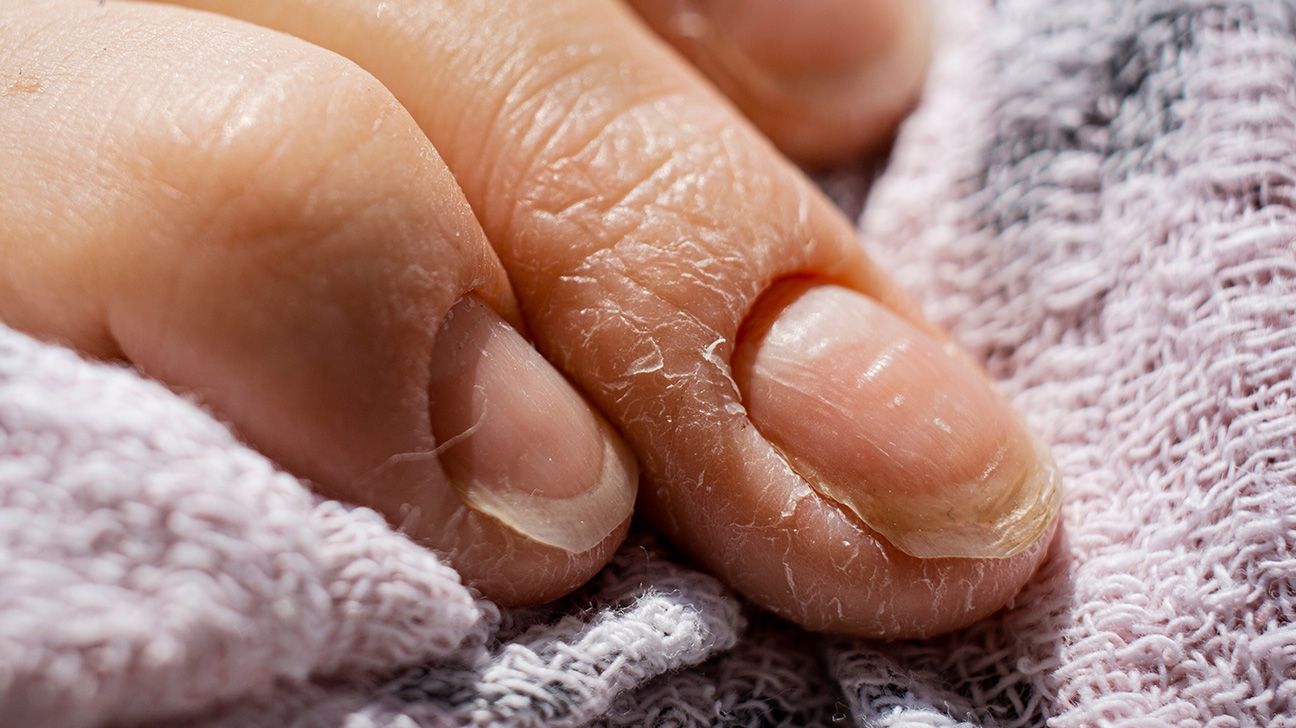
Some chemotherapy medicines can affect the skin and nails. Dryness, sensitivity, rashes, or nail changes may occur.
Patients should inform their healthcare team if they notice painful skin changes, severe rashes, or unusual irritation.
7. Constipation and Diarrhoea

Bowel habits may also change due to undergoing chemotherapy. Certain drugs may lead to diarrhoea, and other drugs used in the treatment of cancer can also induce constipation.
Sufficient fluid intake and proper dietary advice will aid. Persistent diarrhoea and constipation should be brought to the attention of the healthcare providers.
8. Changes in Blood Cell Counts
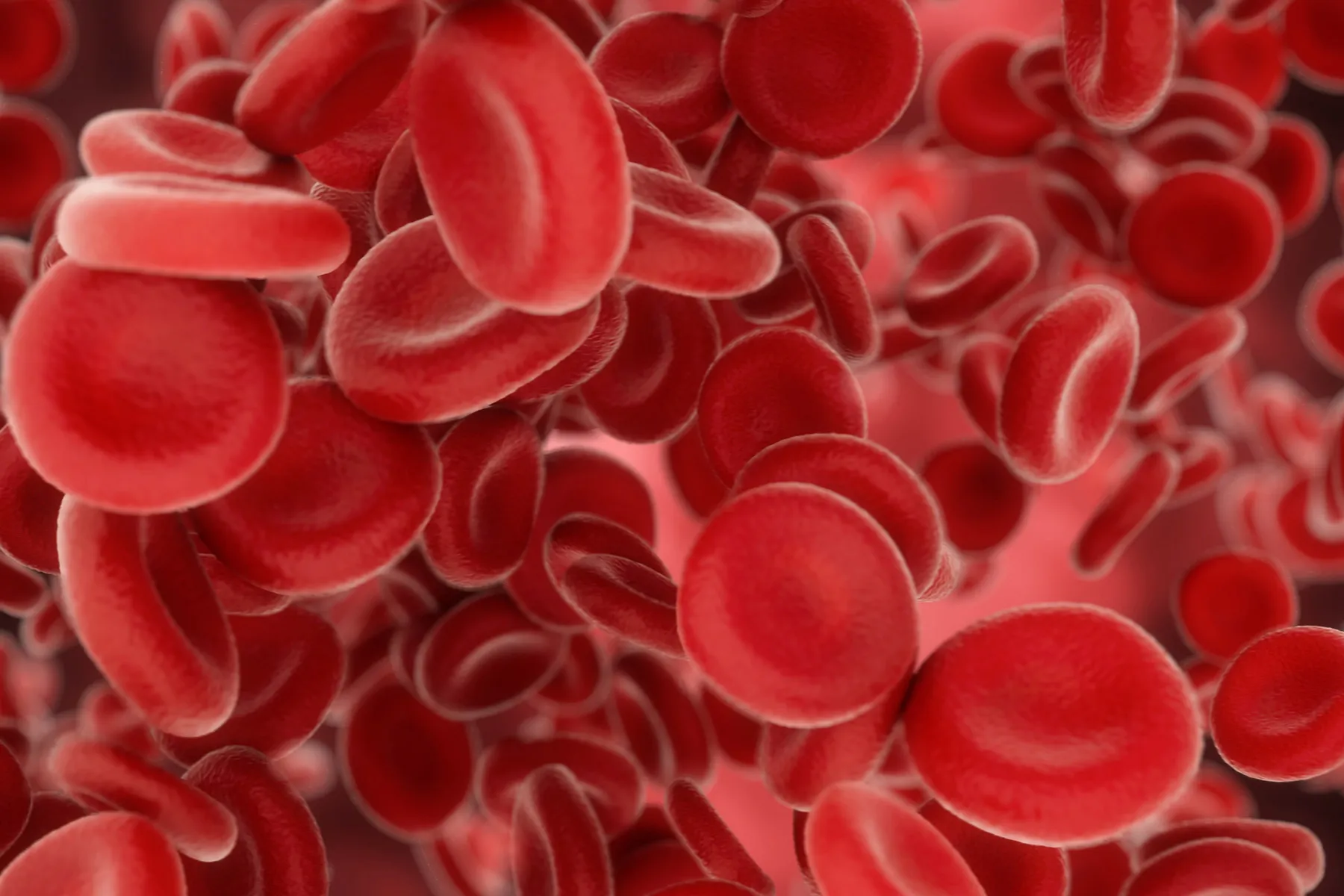
Chemotherapy can affect the bone marrow, which produces blood cells. This can lead to lower levels of certain blood cells.
When white blood cell counts become low, the body may have more difficulty fighting infections. Changes in platelets can also increase the chance of bruising or bleeding.
Regular blood tests may therefore be part of cancer care.
9. Tingling and Numbness

Certain chemotherapy medicines can affect the nerves. A person may experience tingling, numbness, burning, or weakness, particularly in the hands and feet.
These symptoms should be reported to the healthcare team so they can assess the condition and decide what changes may be needed in the care plan.
What Did the Brain Tumour Patient Story Show?
The brain tumour patient story in the reference depicts an adolescent patient who had previously undergone a difficult journey with cancer. As per the patient’s story, the first challenge he had is health-related, which was eventually identified to be cancer of the lungs. The patient then went ahead to develop a brain tumour and underwent several challenges during his journey.
Some of the challenges the patient reported included weakness, swollen body parts, inability to walk, mouth swelling, inability to eat and urination challenges.
Such a personal story can help families understand how physically and emotionally demanding cancer care may become. However, one patient’s experience cannot tell us how every person will respond to chemotherapy. Side effects differ according to the medicine, dosage, cancer type, and individual health condition.
The most important step is to report significant symptoms instead of silently tolerating them.
Managing Chemotherapy Side Effects
Chemotherapy side effect management requires an understanding of what is happening in the body. Patients should make a note of their side effects and report them during appointments.
Some effective practices include:
- Rest adequately and minimize any unnecessary physical activity.
- Take fluids as suggested by your healthcare provider.
- Eat small meals when large meals seem tough.
- Adhere to proper oral hygiene practices.
- Observe all medication directions from your doctors.
- Keep all advised appointments and lab workups.
- Alert your physicians of any side effects that you experience.
- Ask for help with nutrition if appetite and weight become an issue.
Patients should not suddenly switch their cancer medications on their own. Any modification of chemotherapy drugs or any other medications should be discussed with the attending physician.
People wishing to know more about their health and an Ayurvedic way of treatment can benefit from the personalised consultation services offered by the Jeena Sikho HiiMS service.
Ayurvedic Cancer Treatment and Natural Wellness Approach
Ayurveda has a long history of focusing on food, digestion, daily routine, and overall balance. Today, some people also explore an Ayurvedic cancer treatment approach as part of their broader wellness journey.
Ayurvedic therapy at Jeena Sikho HiiMS involves taking into consideration the patient’s lifestyle, eating habits, digestive system, day-to-day routine, and his/her overall well-being. According to individual requirements, the patient will undergo various treatments, including Ayurvedic medicines, nutrition advice, yoga, meditation, and other therapies.
The goal is to develop a routine that would help the body function normally while allowing the person to adopt healthy habits and routines.
Brain cancer treatment is a very difficult and challenging task for both the patient and their family. That is why personalised assistance and monitoring is crucial during this process.
Acharya Manish Ji’s Approach to Natural Wellness
Acharya Manish Ji has emphasised knowing the body, bettering one’s daily routines, and the significance of diet and lifestyle.
While addressing the reference session, Acharya Manish Ji emphasises the significance of enlightening people on their health and how their body functions. The discussion also underlines the significance of taking into consideration a person’s complete lifestyle, rather than being concerned about just one symptom of his/her ailment.
Jeena Sikho HiiMS combines the principles of Ayurveda, diet, lifestyle, and wellness therapy, as per individual requirements.
When Should You Contact Your Healthcare Team?
There are some symptoms that occur during chemotherapy that require urgent medical care. The patient should inform their medical team if they develop:
- Fever or chills
- Breathing difficulty
- Constant vomiting
- Severe diarrhoea
- Problems in swallowing fluids
- Bleeding or bruising
- Mouth sores or difficulty swallowing
- Confusion
- Little urine production
- Severe weakness
Do not wait until the symptoms worsen before notifying the medical team.
Conclusion
Chemotherapy side effects can affect different parts of the body and may influence eating, sleeping, movement, and everyday activities. An understanding of these changes will enable a patient to take timely steps and effectively communicate with their healthcare provider. “Brain Tumour Patient Story” is a reminder that everyone’s experience with cancer is unique. With all the methods, the science of Ayurveda also stresses the significance of diet, routine, digestion, and lifestyle. The team at Jeena Sikho HiiMS takes a more personalised approach towards treatment, which includes both Ayurvedic treatment and tips on lifestyle. You may book an appointment to receive a personalised approach.

FAQs
Q1. What are the most common side effects of chemotherapy?
Ans. Common side effects include tiredness, nausea, vomiting, hair loss, mouth sores, appetite changes, and weakness.
Q2. Is weakness a result of chemotherapy?
Ans. Weakness or tiredness is commonly reported by individuals taking chemotherapy. It usually varies from one treatment to another and one person to another.
Q3. Can chemotherapy have an impact on the mouth?
Ans. Some people report experiencing mouth sores, dry mouth, inflammation, and alteration of taste, making it difficult for them to eat.
Q4. Can chemotherapy lead to hair loss?
Ans.Chemotherapy drugs that cause hair loss exist. The degree of hair loss depends on the kind of drugs prescribed.
Q5. How can chemotherapy side effects be addressed?
Ans. Sleeping, proper nutrition, hydration, and constant communication with your health care team will go a long way in addressing chemotherapy side effects.