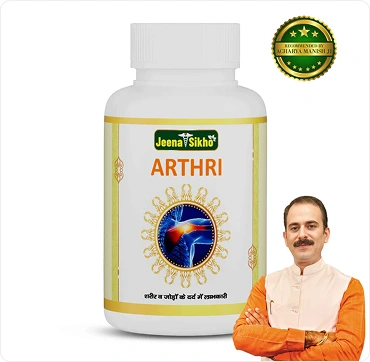
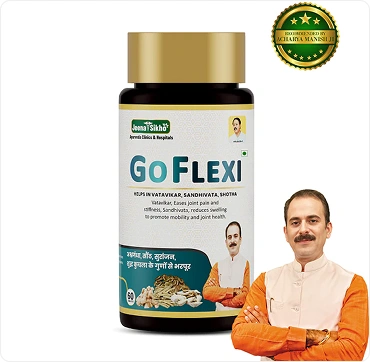
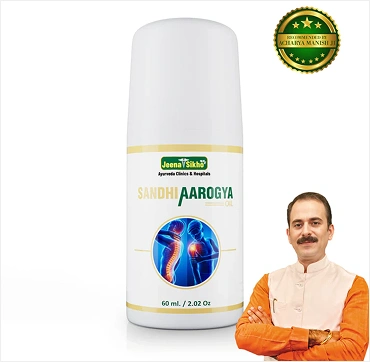
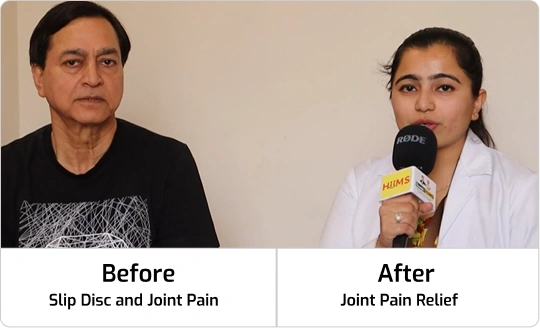
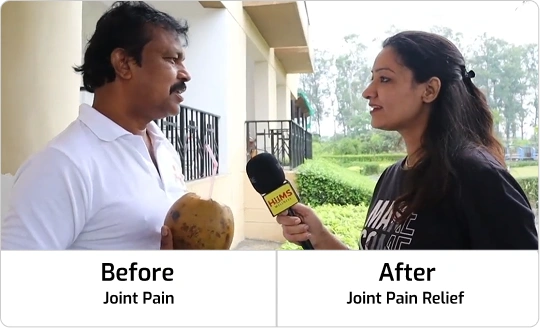
Jeena Sikho HiiMS establishes the first integrated hospital for Joint pain that incorporates Ayurveda, Naturopathy, and Unani therapies together with modern sciences.
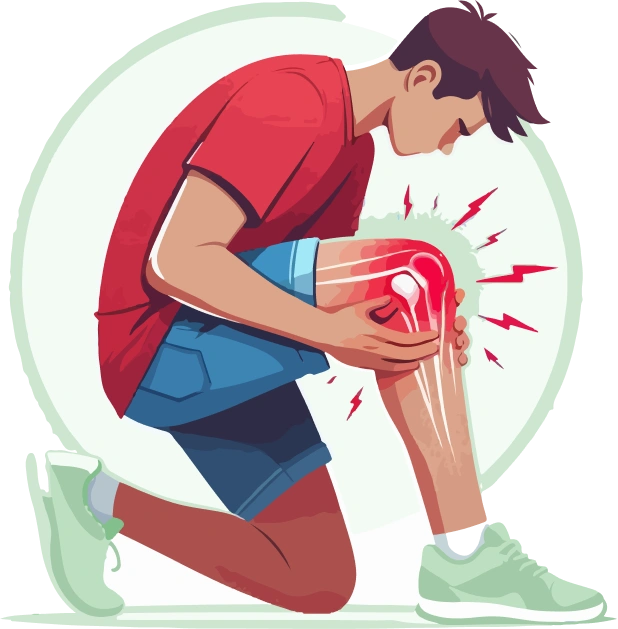




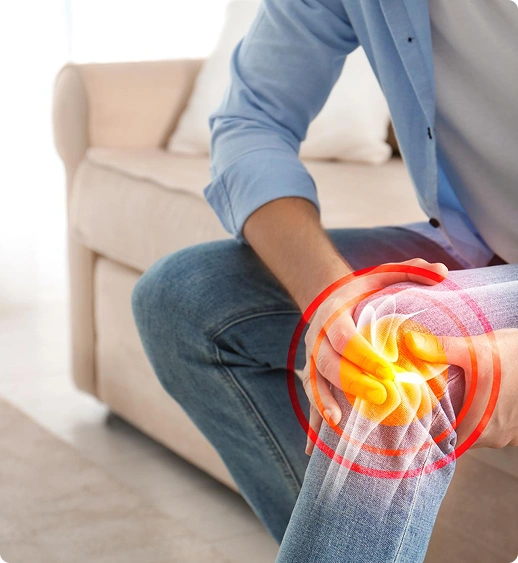


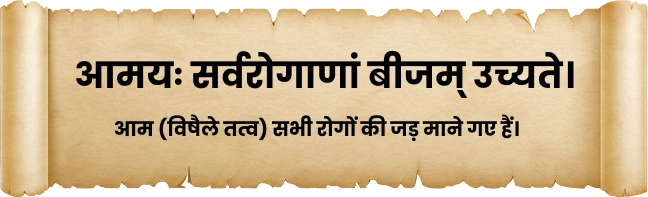



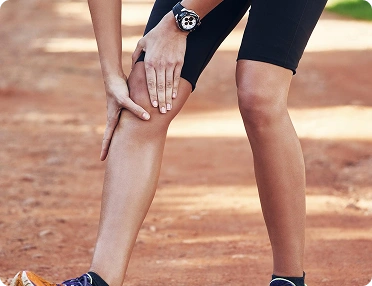


Shodhan aims to remove toxins that cause joint inflammation, stiffness, and pain. These therapies help reset the body, support healthy joints, and improve overall mobility.
1 teaspoon turmeric and ¼ teaspoon black pepper, both known for reducing inflammation and relieving joint discomfort.
Boil the turmeric and black pepper in water to make a warm herbal decoction. Let it simmer properly to release the active compounds.
Take the kadha twice a day, morning and evening, for the first 10 days. After that, you can continue once a day or every alternate day.
Eases pain in the neck, shoulders, knees, and other joints, reduces stiffness, improves flexibility, and may prevent the need for surgery in most cases.
The five Ayurvedic cleansing methods that purify the body deeply and restore overall joint health.
Vamana is a therapeutic process from Panchakarma that helps remove toxins from the internal upper body.
The process involves herbal preparations that gently induce vomiting to cleanse the digestive tract.
It removes excess mucus and toxins accumulated in the stomach and chest, improving digestion and respiration.
Respiratory Relief, Digestive Improvement, Better Skin Health, Improved Mental Clarity, and Strong Immunity.


Virechana is a detoxification therapy focused on purifying the liver and intestines through controlled motions.
Gentle herbal formulations are used to stimulate natural bowel movements and clear internal waste.
It helps eliminate deep-seated toxins, balancing the body’s Pitta and supporting overall metabolic health.
You experience better digestion, enhanced energy, and a sense of lightness and clarity in the body.
Basti is an Ayurvedic therapy that uses herbal oil or decoction enemas to cleanse and nourish the colon.
Medicinal oils are gently introduced into the colon to remove toxins and lubricate internal tissues.
Two main basti therapies include Niruha Basti (Asthapana Basti) and Anuvasana Basti to clean the colon, which is the root of many imbalances; cleansing it supports gut health, immunity, and mental clarity.
Improved digestion, reduced inflammation, balanced Vata energy, and overall body rejuvenation.


Nasya is a traditional Ayurvedic therapy involving the pouring of herbal oils through the nose.
Medicinal oils help remove toxins, mucus, and blockages from the nasal passages and sinuses.
The nose is considered the gateway to the head, and cleansing it supports mental clarity and respiratory health.
Clear breathing, reduced stress, sharper focus, and enhanced brain function.
Raktmokshana is a traditional Ayurvedic blood purification therapy that removes impure blood from the body.
The therapy removes toxins through controlled methods like leech therapy or venesection.
It cleans the impurities in the blood, which can lead to skin disorders, inflammation, and other diseases.
Clearer skin, improved circulation, and enhanced overall vitality.


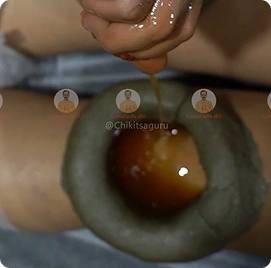
Warm herbal oil is held over the knees using a dough ring, recommended for chronic knee joint pain and stiffness.
The oils penetrate deep into joint tissues, soothing inflammation, relaxing muscles, and improving circulation.
It eases knee pain, enhances flexibility, and supports long-term joint function.
Reduces stiffness and discomfort, strengthens tissues, and improves mobility.
Warm herbal oil is retained over the lower spine using a dough ring, ideal for back tension and pain.
Oil penetrates muscles and ligaments, releasing trapped tension and easing stiffness.
It relieves sciatica, improves posture, and restores spinal flexibility.
Eases lower back discomfort, relaxes muscles, and supports a healthy spine.
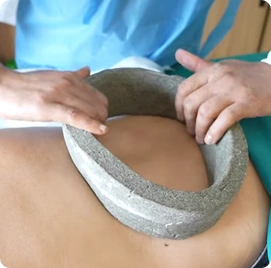
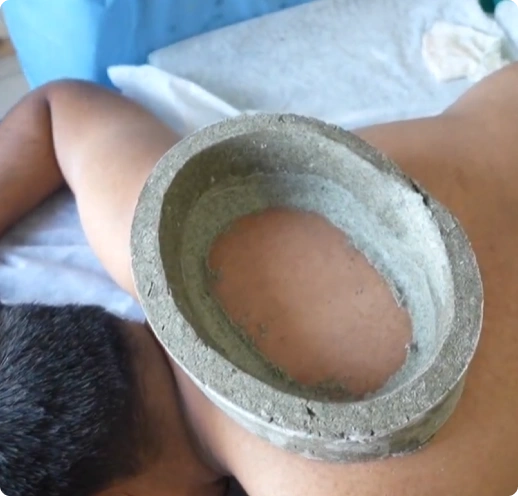
Warm herbal oil is applied and retained over the neck and shoulder region to help ease stiffness and support flexibility in the cervical area.
Oil soothes muscles, reduces stiffness, and improves blood flow in the neck and shoulders.
It targets cervical pain and shoulder joint pain, restoring movement.
Relieves stiffness, enhances flexibility, and reduces neck and shoulder discomfort.
Warm herbal oil is gently applied and retained over the entire back to support muscle relaxation, ease stiffness, and promote comfort along the spine.
Oils penetrate muscles and spinal tissues, detoxifying, nourishing, and relaxing the area.
It strengthens the back, eases tension, and promotes better spinal mobility.
Reduces stiffness, supports spinal health, and improves overall back comfort.
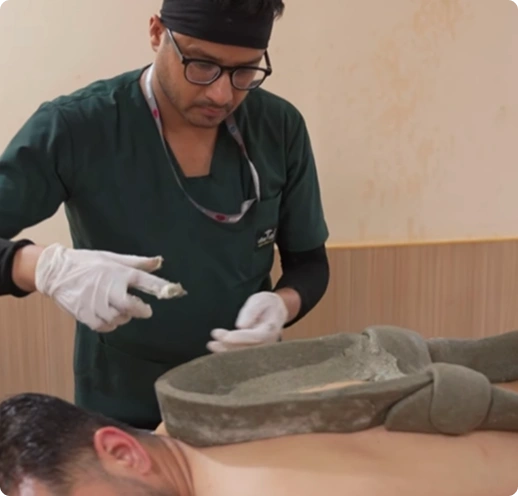
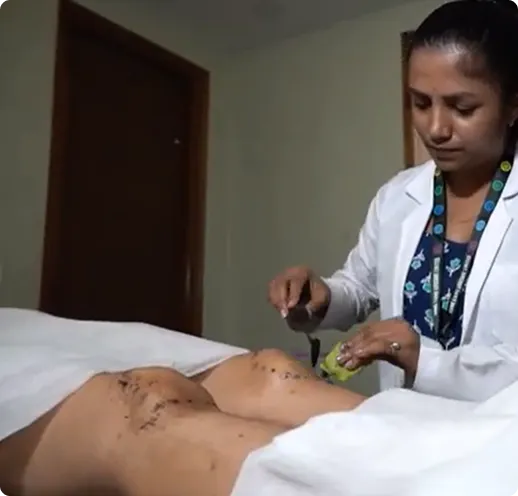
An ayurvedic procedure in which controlled heat is applied to specific points on joints or muscles to ease stiffness, reduce pain, and support smoother movement.
Heat relaxes tight muscles, reduces tension, and improves circulation.
It alleviates chronic joint discomfort and supports better movement.
Relieves stiffness, eases joint pain, and enhances flexibility.
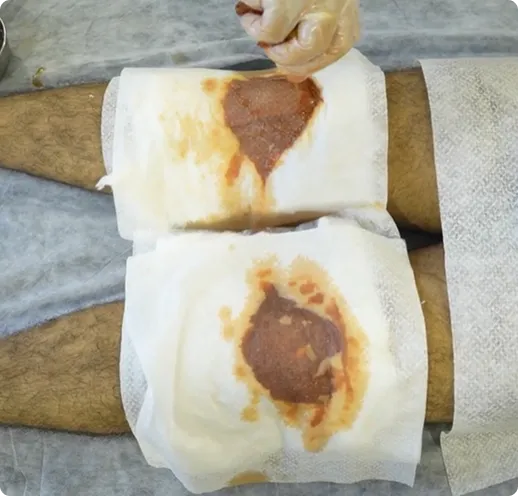
Medicated oils are applied to the knees using cotton packs or a continuous flow of liquid.
The oils penetrate joint tissues, reducing inflammation, soothing nerves, and improving circulation.
It eases chronic knee pain, swelling, and stiffness while improving mobility.
Reduces discomfort, nourishes knee tissues, and supports long-term joint function.
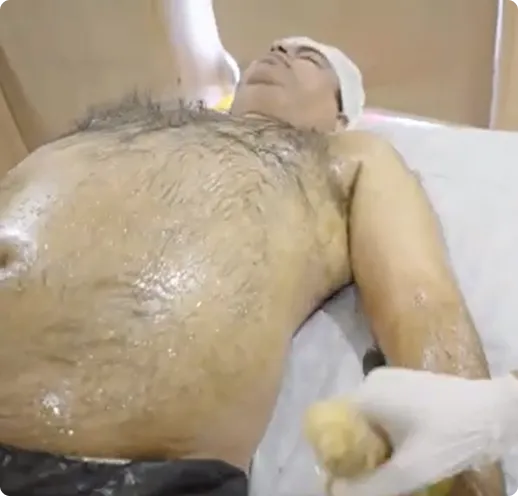
A herbal poultice is gently massaged over affected joints, using natural heat and steam.
Herbal packs relax muscles, improve blood flow, reduce swelling, and aid healing.
It relieves muscular and joint tension, supporting pain-free movement.
Reduces swelling, eases pain, improves joint pain relief, and strengthens joint health.
In Ayurveda, food is treated as medicine. A balanced diet not only nourishes the body but also helps repair damaged cells and maintain hormonal balance.
The pH-Balanced Diet focuses on raw, plant-based foods that promote natural healing and detoxification.
Raw fruits and vegetables help reduce acidity and inflammation, creating a healthier environment for joints.
Avoiding processed and cooked foods lowers inflammation and supports natural joint repair.
Reduced joint pain and stiffness, stronger tissues, improved mobility, and overall better joint health.


Alkaline water has a higher pH level than regular water, promoting internal balance.
It neutralizes acidity in the body, which can worsen inflammation and joint discomfort.
Its minerals support hydration, reduce fatigue, and help protect joints from inflammation.
Reduced joint inflammation, better energy, improved mobility, and stronger overall joint health.

Vihar focuses on daily habits, routines, and environment to support overall joint health. These practices calm the mind, reduce inflammation, and keep the body balanced.

A holistic approach that combines natural herbs to balance body and mind.
It eliminates emotional stress, which often affects physical health and slows healing.
A relaxed body supports pain management, improves circulation to joints, reduces inflammation, and helps maintain proper posture and movement.
Reduced joint stiffness, less pain, improved flexibility, better posture, and enhanced overall joint wellness.
Meditation is the practice of calming the mind through focused awareness and deep breathing.
It reduces stress hormones and promotes emotional stability.
By focusing inward, it activates the body's relaxation response and balances the nervous system.
Improved mental peace, emotional healing, and inner clarity.


Yoga is an ancient mind-body practice combining movement, breath, and mindfulness.
It strengthens muscles, boosts immunity, and promotes balance in body and mind.
Through asanas, controlled breathing, and meditation, it enhances circulation and organ function.
Improved flexibility, stronger immunity, and lasting inner harmony.
Earthing involves direct contact with the earth’s surface through bare feet Walking on green grass or sand.
The Earth helps absorb the negative energies of the body, making it stress-free and focused immediately.
Regular grounding helps lower joint inflammation, reduces stiffness and pain, and supports overall musculoskeletal balance.
Reduced joint pain and swelling, improved flexibility, better circulation, enhanced energy flow, and a natural sense of calm and wellness.


Sunlight therapy uses natural sunlight as a healing source for overall wellness.
Exposure to sunlight boosts Vitamin D, essential for bone, skin, and immune health.
Sun rays trigger natural Vitamin D synthesis and strengthen bones, reduce joint weakness, and help manage inflammation.
Stronger bones, less joint pain and stiffness, improved mobility, and more energy.
Shaman focuses on restoring balance through Ayurvedic herbs and natural remedies that work gently yet powerfully on the root cause of disease.

Soothing herbal blends designed to reduce inflammation, nourish joint tissues, strengthen muscles, and support cartilage health.
These herbs improve blood flow to affected joints, reduce swelling, ease stiffness, and strengthen tendons and ligaments.
They help relieve pain, restore mobility, improve flexibility, and support the long-term health of joints.
Reduced joint pain and swelling, stronger muscles and ligaments, better mobility and flexibility, and healthier joints over time.
A blend of classical Ayurvedic herbs like Ashwagandha, Guggulu, Shallaki (Boswellia), Dashmool, and Bala, known for reducing inflammation, strengthening joints, and improving mobility.
These herbs nourish cartilage, strengthen ligaments and tendons, improve joint lubrication, and reduce inflammatory responses.
They help restore joint strength, support flexibility, reduce pain, and maintain overall musculoskeletal health.
Reduced joint inflammation, improved mobility and flexibility, stronger tissues, less pain, and better long-term joint function.


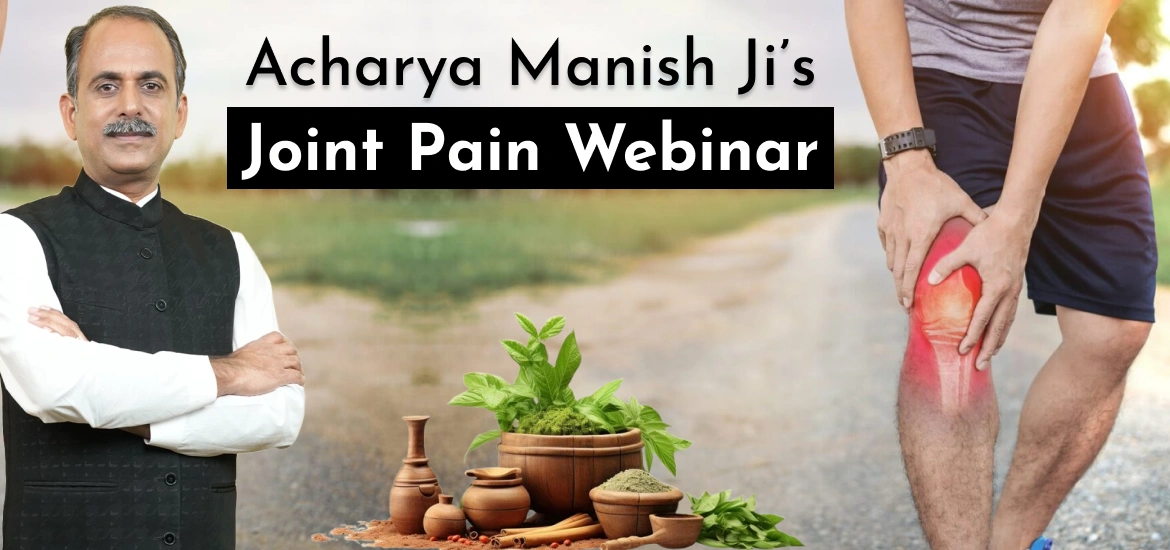
The founder and Chairman of Jeena Sikho HiiMS
Register Now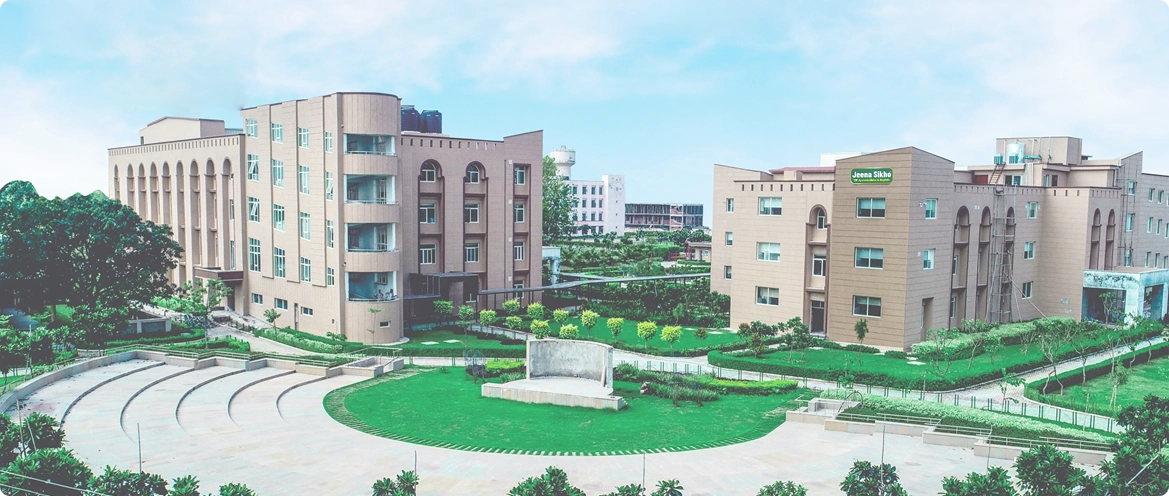
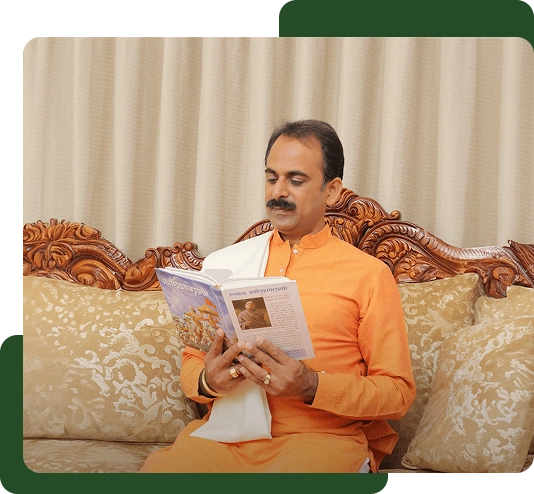
A Life Dedicated to Healing
Acharya Manish Ji Recognised for His Ayurvedic Vision

Awarded by Punjab Governor Shri Gulabchand Katariya

Awarded by India’s Minister of Law and Justice, Shri. Arjun Ram Meghpal

Awarded by Delhi’s Chief Minister, Shrimati. Rekha Gupta.

Awarded with the Light
Icon Award

Awarded the Imperial Glitz Global Fame Award 2022.

Awarded by the health minister of Punjab, Shri. Chetan Singh Jauramajra.