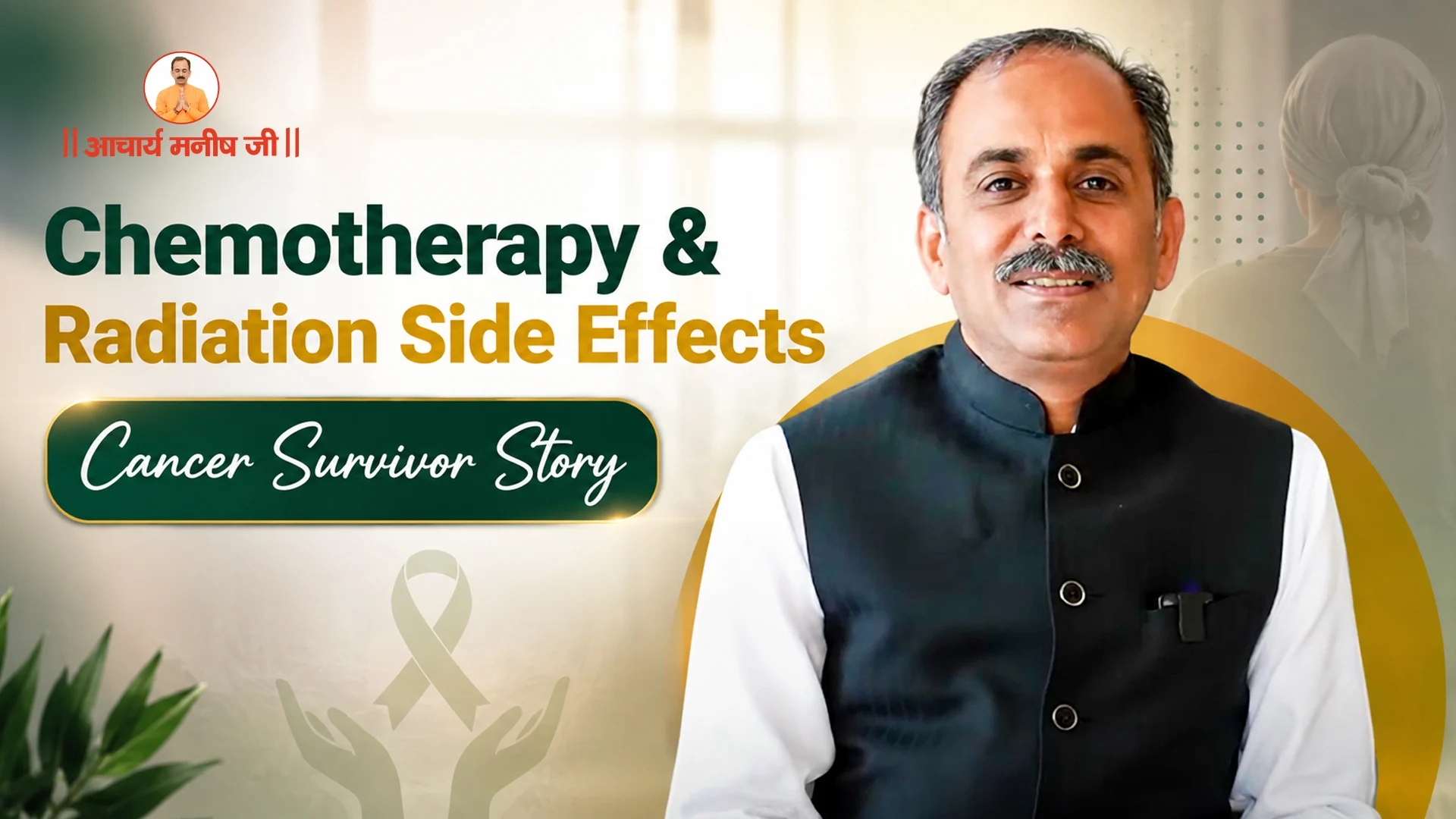

There can be many treatment phases for cancer patients, such as chemotherapy, radiation therapy and surgery. However, while these therapies can be an essential part of cancer treatment, they may influence healthy cells as well and lead to various complications. These side effects can differ greatly depending on patients.
The description of A Cancer Patient Story provided by Acharya Manish Ji tells the story of a patient who has been diagnosed with rectal cancer and underwent many types of treatments, such as chemotherapy and radiation. This person mentioned that he has experienced fatigue, edema of the leg, painful urination and limited mobility after the treatment.
What Are the Side Effects of Chemotherapy and Radiations?
Chemotherapy works against rapidly growing cancer cells, but it can also affect some healthy cells that grow quickly. This may lead to problems such as tiredness, nausea, mouth problems, hair loss and changes in blood counts.
Radiation therapy can also affect healthy cells around the area being treated. The side effects of chemotherapy and radiation depend greatly on the part of the body receiving treatment. Fatigue, skin changes, digestive problems, urinary problems and changes in appetite are some effects that may occur. Some effects can improve after treatment, while others may take longer to settle.
Common Chemotherapy Side Effects
The most common chemotherapy side effects can include:
Fatigue and Weakness

Many people feel tired during chemotherapy. Even routine activities may require more effort than before. Rest, proper nutrition and adjusting daily activities can help a person manage this period.
Nausea and Vomiting
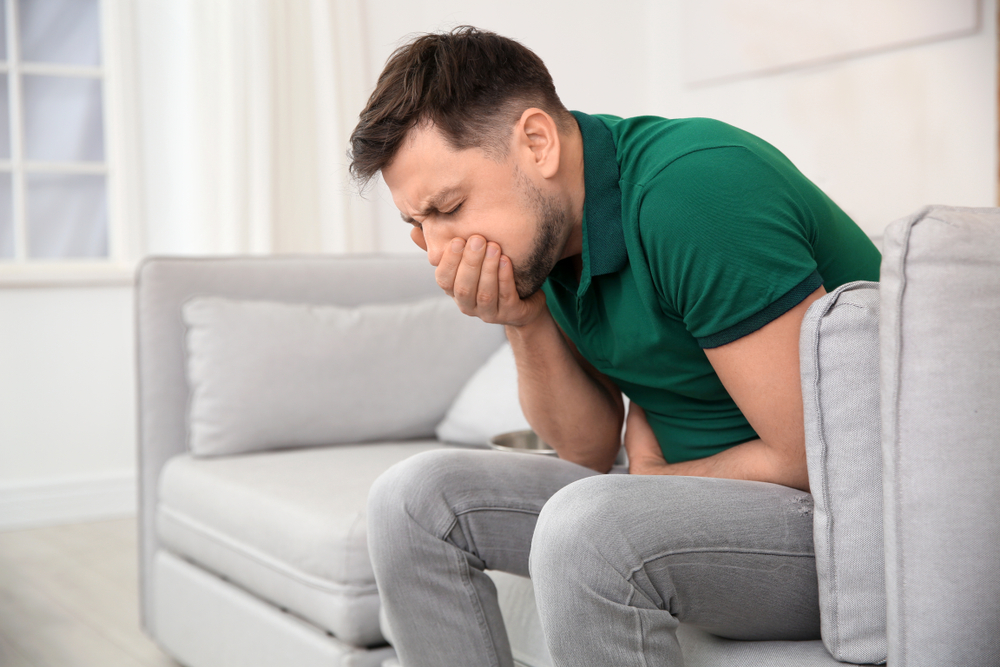
Nausea and vomiting occur in some cancer patients taking certain cancer treatments. There are drugs that can help with this problem, and the medical team can provide some advice on how to cope with it.
Changes in Appetite
:max_bytes(150000):strip_icc()/Health-GettyImages-1387476408-a3fd860e67f04ac2b77ab8f22d6390f4.jpg)
In some cases, some individuals experience a decrease in their appetite and changes in taste sensation while undergoing chemotherapy. Sometimes, mouth sores and nausea also contribute to difficulty in eating.
Mouth Problems
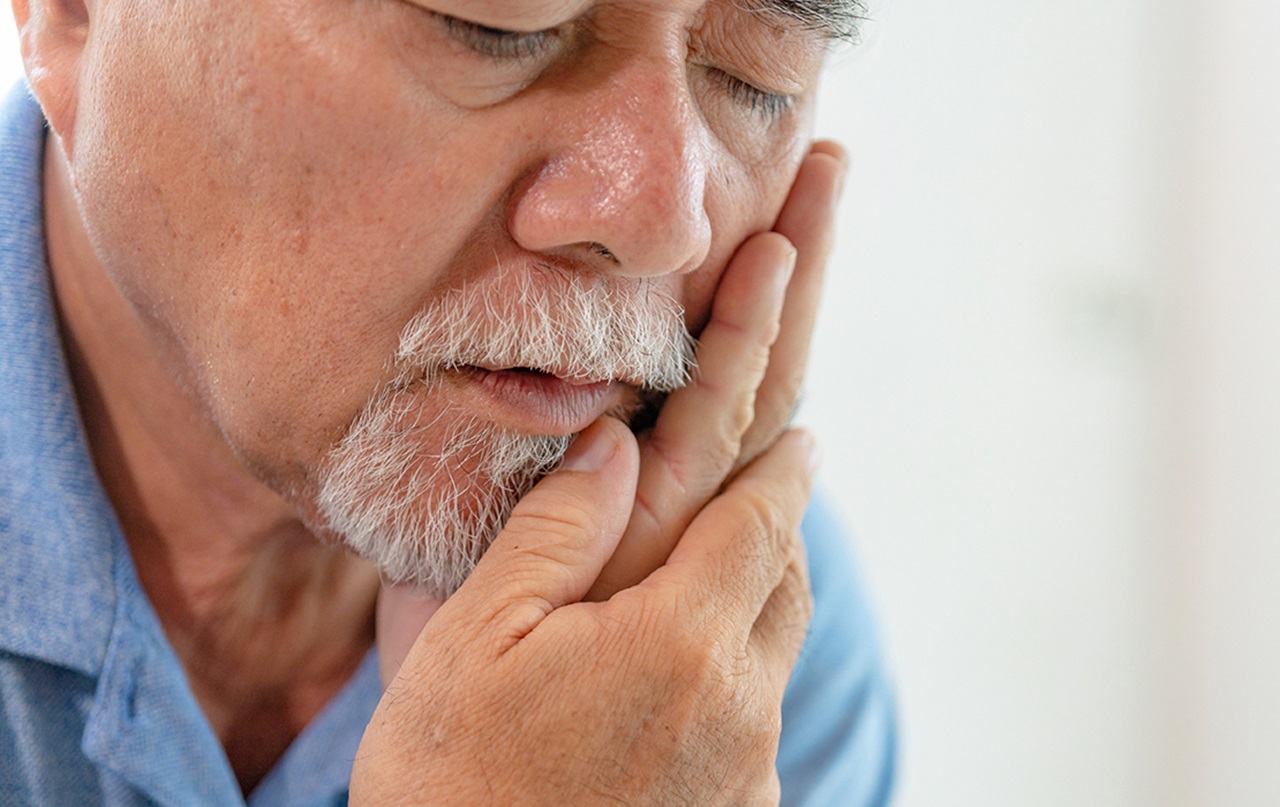
Chemotherapy and radiation treatments cause mouth complications. Some of these are dryness, inflammation, ulcers, pain, and changes in taste sensation.
Hair Loss and Skin Changes

Some chemotherapy medicines can cause hair loss. Radiation may also cause skin changes in the area being treated. These effects depend on the treatment and the part of the body involved.
Digestive Changes
Diarrhoea, constipation and other digestive problems can occur during cancer care. Radiation involving the abdomen, pelvis or rectum can also affect the digestive system.
What Does the Cancer Patient Story Tell Us?
In the video, The Cancer Patient Story talks about a patient who was diagnosed with rectal cancer in 2022. As he says, he had been treated for many months, involving 25 sessions of radiation, 12 sessions of chemotherapy, and also surgery.
However, later on, he suffered from swelling in one of his legs and also problems in moving. In his search for solutions regarding the swelling, he finally came to know about Ayurveda.
Swelling of a limb after cancer treatment can have different causes. Lymphoedema, for example, can occur when the lymphatic system is damaged or blocked, and cancer surgery or radiation can contribute to this problem.
The patient’s experience is personal and does not mean every person undergoing chemotherapy or radiation will develop the same symptoms.
What About Biopsy Side Effects?
A biopsy is done to examine a sample of tissue and help doctors understand what is happening in the body. Like any medical procedure, it can have risks, and those risks depend on the location and type of biopsy.
Possible biopsy side effects can include pain, bleeding, infection or other complications depending on the procedure. The doctor performing the biopsy should explain the specific risks before the procedure.
It is also important to separate a patient’s personal experience from established medical information. A biopsy is not generally considered to cause cancer to spread throughout the body. The National Cancer Institute notes that the chance of cancer spreading because of a biopsy is extremely low when standard procedures are followed.
How Can Chemotherapy and Radiation Side Effects Be Managed?
Side effects should not simply be ignored. Keeping the healthcare team informed can help identify problems early and provide suitable care.
Here are some simple practices that can help achieve wellbeing on a day-to-day basis:
- Take adequate rest if the body feels fatigued.
- Have small portions of food if there is poor appetite.
- Ensure that one drinks enough fluids as per the doctor’s advice.
- Take care of oral hygiene.
- Monitor new symptoms.
- Adhere to the diet guidelines provided by the healthcare professionals.
- Attend the recommended follow-up appointments.
- Ask for help when weakness makes daily activities difficult.
Severe vomiting, persistent diarrhoea, unusual bleeding, fever, difficulty breathing or rapidly increasing swelling should be discussed with the healthcare team promptly.
Ayurveda, Diet and Lifestyle During Cancer Care
Ayurveda gives importance to food, digestion, daily routine and lifestyle. At Jeena Sikho HiiMS, the approach includes Ayurvedic therapies, dietary guidance, lifestyle practices and other traditional wellness methods according to individual needs.
In the reference, Acharya Manish Ji has also mentioned the need to keep oneself positive, go out in nature, exercise according to one’s ability, and also keep a check on eating habits.
Exercise, yoga, meditation, breathing techniques and proper eating routines can all be part of someone’s personal health routine.
It is not just about what happens when someone goes to the hospital; rather, it is also about how the person takes care of their eating, sleeping, exercise and mental well-being in regular life.
Insights Shared by Acharya Manish Ji
Acharya Manish Ji highlights the significance of body awareness and having more knowledge regarding food and lifestyle.
The patient’s story provided in the reference is a great example that emphasises the importance of the role that emotions play in a long journey related to health issues. The patient describes how helpful the support of his wife and other family members was and how significant hope could be in coping with physical problems.
Emotional state, family support, proper food and diet, and a planned routine could all be relevant aspects for those who face cancer treatment.
At Jeena Sikho HiiMS, each patient is able to consider an Ayurveda treatment plan individually depending on his/her personal situation.
When Should You Seek Medical Attention?
Certain symptoms should not be ignored during or after cancer treatment. Speak with your healthcare team if you notice:
- Persistent fever or chills
- Severe vomiting or diarrhoea
- Difficulty drinking fluids
- Unusual bleeding or bruising
- Sudden or increasing swelling
- Severe pain
- Difficulty breathing
- Significant weakness
- New urinary problems
- Sudden changes in movement or sensation
The earlier a new or worsening symptom is discussed, the easier it can be for the healthcare team to assess what may be causing it.
Conclusion
The chemotherapy side effects and radiation-related changes experienced by one patient can look very different from another person’s journey. The Cancer Patient Story shared by Acharya Manish Ji highlights the physical and emotional challenges that may follow a long period of cancer care. Understanding possible effects, including digestive changes, fatigue, swelling and mouth problems, can help patients stay more aware of their health. At Jeena Sikho HiiMS, Ayurveda focuses on food, lifestyle, daily routine and traditional wellness practices. Those looking for personalised Ayurvedic guidance can book an appointment.

FAQs
Q1. What are the common side effects of chemotherapy?
Ans. Common chemotherapy side effects may include the tiredness, nausea, vomiting, hair loss, mouth sores, appetite changes and digestive problems.
Q2. Can radiation cause side effects?
Ans. Yes. Radiation may affect nearby healthy tissues and can cause tiredness, skin changes, digestive issues or other effects depending on the treatment area.
Q3. What are the side effects of chemotherapy and radiation?
Ans. The side effects of chemotherapy and radiation can vary from person to person. Fatigue, nausea, appetite changes, skin changes and digestive problems are some commonly reported effects.
Q4. What are the common biopsy side effects?
Ans. Biopsy side effects may include temporary pain, tenderness, bruising or minor bleeding. The risks can vary depending on the area from which the tissue is taken.
Q5. How can chemotherapy side effects be managed?
Ans. Chemotherapy side effects can be managed by following the care plan, staying hydrated, eating suitable foods, getting enough rest and informing the healthcare team about new or severe symptoms.