Knee pain is something many people start noticing with time. It may begin as a small discomfort while walking or sitting, and then slowly it becomes more regular. Some feel stiffness in the morning, while others feel pain while climbing the stairs. These signs are often ignored in the early stages, which makes it worse later.
Daily routine starts getting affected in small ways. Sitting down, getting up, even simple movements begin to feel different. This is where traditional therapies are often explored.
In Ayurveda, certain external therapies are used for joint care. One such method is janu basti. It appears easy, but the method needs attention and proper steps. The focus is mainly on warmth and oil contact.
Many people look at it as a natural therapy for knee pain because it does not feel complicated. Understanding how it works gives a better idea before trying it.
What Is Janu Basti Therapy and How It Works
Janu Basti is a localised Ayurvedic therapy that focuses only on the knee joint. It is not a full-body treatment. The method is simple but done with care.
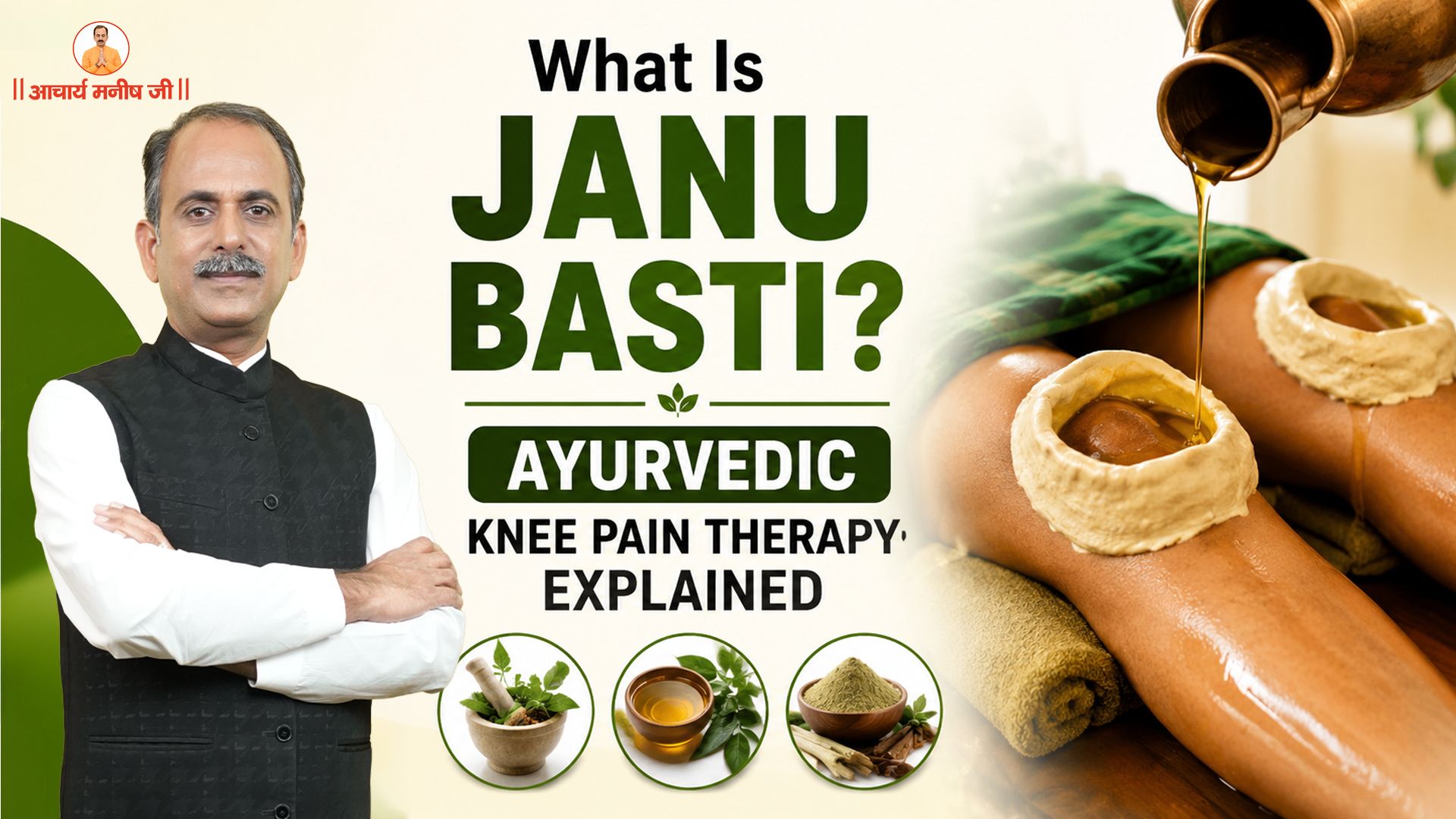
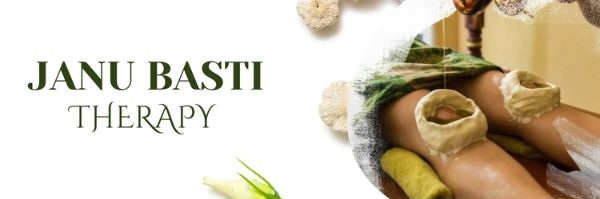
A boundary is made around the knee using dough, and warm oil is poured inside that area. In some setups, this dough frame is also called aalval, which is prepared using urad dal flour mixed with water and shaped properly around the knee. The oil stays there for some time, allowing direct contact with the joint region.
Key points about the process:
- A dough ring is placed around the knee
- Warm medicated oil is poured inside
- Oil is kept at a steady warm temperature
- Duration is usually 30–45 minutes
- Done under proper supervision
This method allows the knee area to stay in contact with oil for a fixed time. That is the main part of this therapy.
Step-by-Step Procedure of Janu Basti Therapy
The procedure usually follows a basic pattern, though small changes may happen depending on the setup. Janu Basti for knee pain is done in a calm and controlled way.
First step is making the person lie down in a relaxed position. Then a dough ring is made and placed properly around the knee. Warm oil is poured slowly after that.
Steps involved in the therapy:
- Cleaning and preparing the knee area
- Placing a dough ring firmly around the joint
- Pouring warm oil carefully inside
- Maintaining oil temperature during the session
- Removing oil and cleaning after completion
At hospitals like Jeena Sikho HiiMS Gurugram, they usually follow the proper method while doing this. The whole process may look easy, but small things like temperature and timing matter a lot.
Why Janu Basti Is Used in Knee Care
The knee joint carries body weight every day. Over time, changes happen in the joint, which may lead to discomfort or stiffness.
Janu Basti Ayurvedic Treatment is often chosen when someone prefers a traditional method. It is generally used in conditions where dryness or tightness is felt in the joint.
Common reasons people consider it:
- Feeling of stiffness in the knee
- Difficulty in the smooth movement
- Mild to moderate discomfort
- Weakness in the joint area
- Long sitting or standing causing strain
This therapy focuses more on local care of the knee rather than the overall treatment.
Benefits of This Ayurvedic Method for Knee Comfort
Some people feel a difference after sessions, though results are not the same for everyone. The effect depends on body condition and regularity.
The benefits of Janu Basti Therapy are mostly related to comfort and flexibility in daily movement.
Possible benefits observed:
- Feeling of warmth and relaxation in the knee
- Reduced sense of tightness
- Better ease during movement
- Lightness in the joint area
- Support in maintaining joint flexibility
It is not a fast solution but a gradual process. Patience is usually needed with this therapy.
Who Can Consider Janu Basti Therapy
Not everyone needs this therapy, but some people may find it useful in their routine. It is often considered when discomfort is still manageable.
People who may consider it:
- Those with mild to moderate knee pain
- Individuals with stiffness after rest
- Older adults with the joint weakness
- People with long sitting or standing habits
However, certain situations need caution:
- Severe pain conditions
- Recent injury in the knee
- Swelling or infection
In such cases, proper consultation is important before starting.
Important Things to Keep in Mind Before Therapy
Even though it looks simple, this therapy should not be done casually. The proper method matters a lot.
Things to remember:
- Always take it under trained supervision
- Oil temperature should be controlled
- Do not try without guidance at home
- Follow any advice given after the session
- Combine with routine and diet if suggested
Natural therapy for knee pain like this works better when done with consistency, not randomly.
Conclusion
Janu Basti is a traditional Ayurvedic therapy that focuses on knee joint care using warm oil. It is simple in method but requires proper handling and the regular practice. Many people consider it when they feel stiffness or discomfort in the knee area.
It does not act instantly and needs time. The approach is slow and steady, which is often seen in traditional methods. Such therapies are done with proper care and attention to the individual conditions. Understanding the body first is always important before starting.
You can also visit for a VOPD consultation to know if this therapy is suitable for your condition.

FAQs
Q1. What is Janu Basti?
Ans. Janu Basti is an Ayurvedic therapy where warm oil is held over the knee using a dough ring.
Q2. Is Janu Basti painful?
Ans. No, it is usually a gentle and comfortable therapy.
Q3. What type of oil is used?
Ans. Medicated Ayurvedic oils are commonly used in this therapy.
Q4. Is Janu Basti safe?
Ans. Yes, it is considered safe when done properly by a trained person.
Q5. Is consultation required before starting?
Ans. Yes, taking proper consultation is always recommended.